
At JSDA, interiors are not styled—they’re designed with intent. Learn to design spaces that respond to people, culture, and the future.
Our Bachelor of Interior Design programme offers an immersive learning environment that integrates creative practice with critical thinking and technical understanding. Students engage in hands-on material explorations, spatial experimentation, and design studios that emphasise aesthetics, comfort, and luxury alongside functional performance.
The curriculum encourages sensitivity towards sustainability, climate, and responsible material choices, preparing students to design interiors that are both refined and future-ready. Through iterative making, research-driven design, and exposure to contemporary practices, graduates develop the ability to create meaningful interior environments that respond thoughtfully to user needs, cultural contexts, and evolving global design standards.
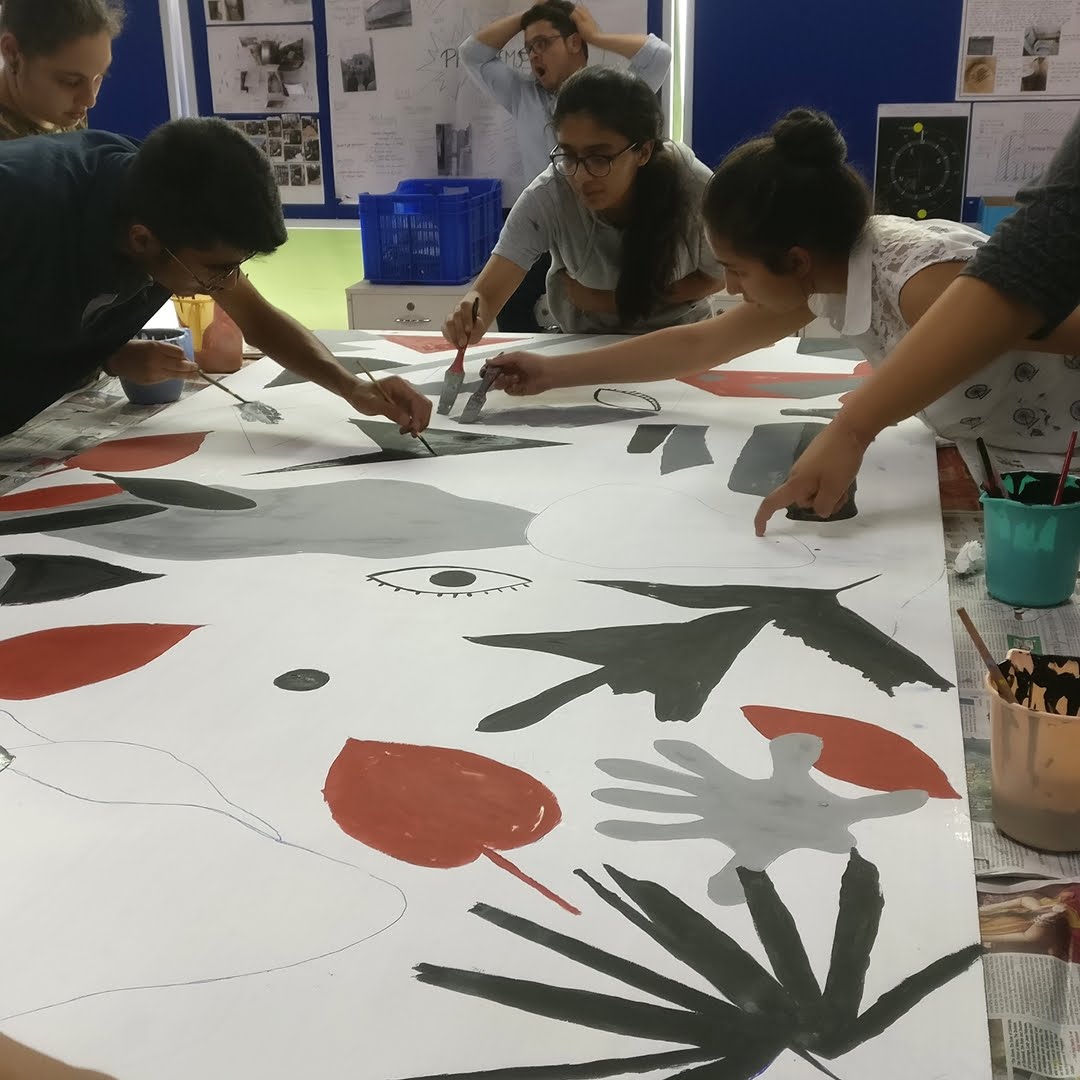
Our Interior design education is grounded in research, making, and reflecting.
The programme encourages learning across architecture, product design, art, technology, sustainability, and social sciences. This interdisciplinary exposure helps students develop holistic thinking, contextual sensitivity, and the ability to design interiors that respond to spatial, cultural, environmental, and human needs simultaneously.
Strong industry engagement is embedded through live projects, internships, studio mentorship, site visits, and interactions with practicing designers, consultants, and manufacturers. Students gain real-world exposure, understand professional workflows, materials, and execution processes, and graduate with industry-ready skills and portfolios.
With a globally benchmarked curriculum, international collaborations, visiting faculty, and exposure to global design practices, the programme prepares students to operate across cultures. Emphasis on contemporary trends, sustainability, and global standards enables graduates to pursue careers and further studies internationally.
World-class facilities designed to support your creative and technical development
An Interior Design degree opens doors to diverse and rewarding career opportunities.
Designs immersive retail environments that integrate branding, spatial planning, customer experience, materiality, lighting, and circulation to influence engagement, behavior, and commercial performance.
Creates strategic product displays and spatial narratives using color, lighting, graphics, and layout to enhance brand identity, customer experience, and sales across physical retail environments.
Manages interior design projects from concept to completion, coordinating teams, timelines, budgets, vendors, and site execution while ensuring design intent and quality standards.
Designs spatial environments for film, television, theatre, and digital media, translating narratives into physical sets through materials, scale, detailing, and atmospheric design.
Designs furniture and interior objects by combining ergonomics, materials, fabrication techniques, and aesthetics to create functional, expressive elements within interior environments.
Creates interpretive spatial experiences that communicate narratives through layout, graphics, lighting, multimedia, and material choices while balancing education, conservation, and visitor engagement.
Conceptualizes temporary spatial experiences for events, festivals, and installations, integrating storytelling, scenography, materials, and audience interaction within time-bound environments.
Researches, documents, and communicates design ideas, projects, and trends through writing, photography, video, and digital platforms for diverse design-focused audiences.
Explores cultural, material, and aesthetic trends to inform interior concepts, styling decisions, and design strategies through research, curation, and visual storytelling.
Explore the innovative designs and creative solutions developed by our talented students
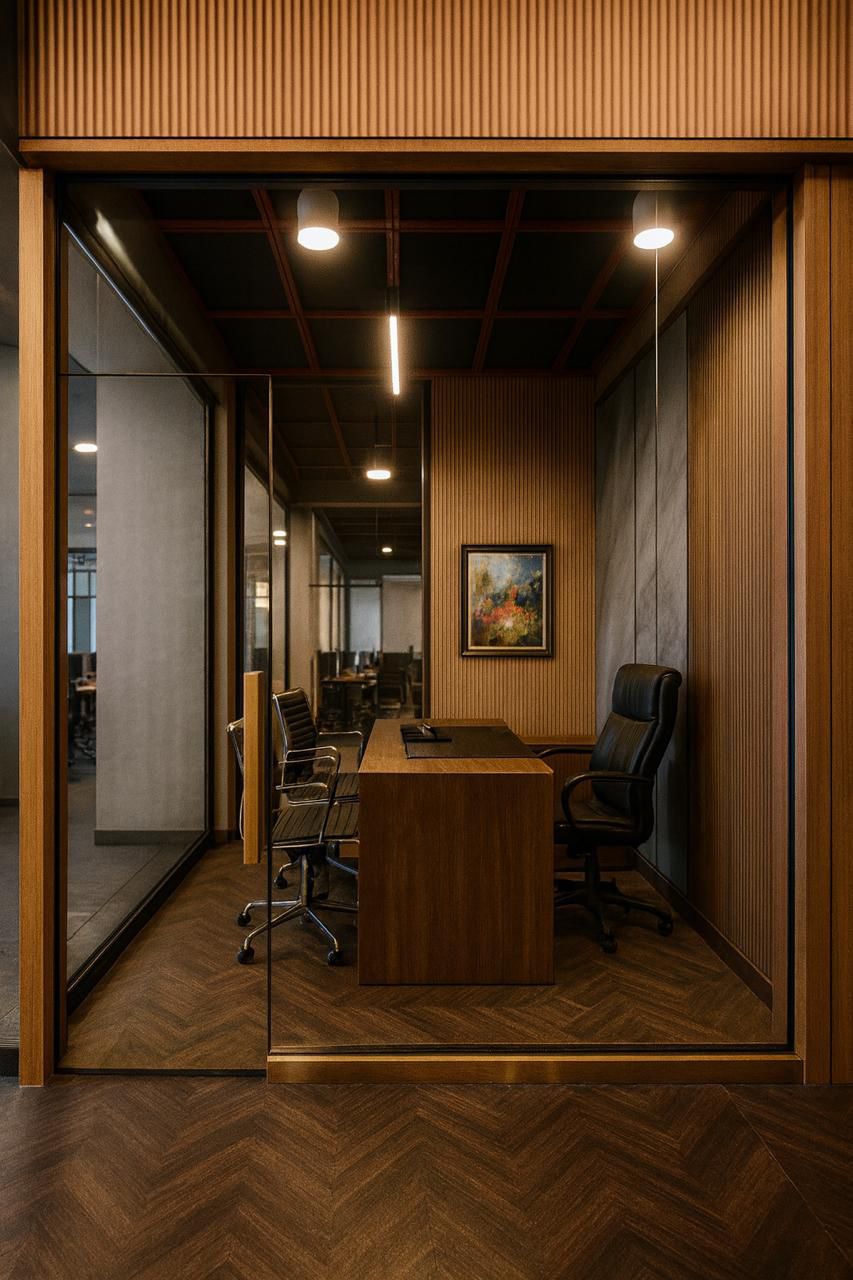
Instructor: Prof Anas Hasan Khan
Samriddhi Mehta
Third Year - 2025
-15.jpg.webp)
Instructor: Prof Nimit Gandhi
Bavisetty Abigail
Third Year – 2024
-30.jpg.webp)
Instructor: Prof Khushboo Khanna
Kashish Satija
Second Year - 2023
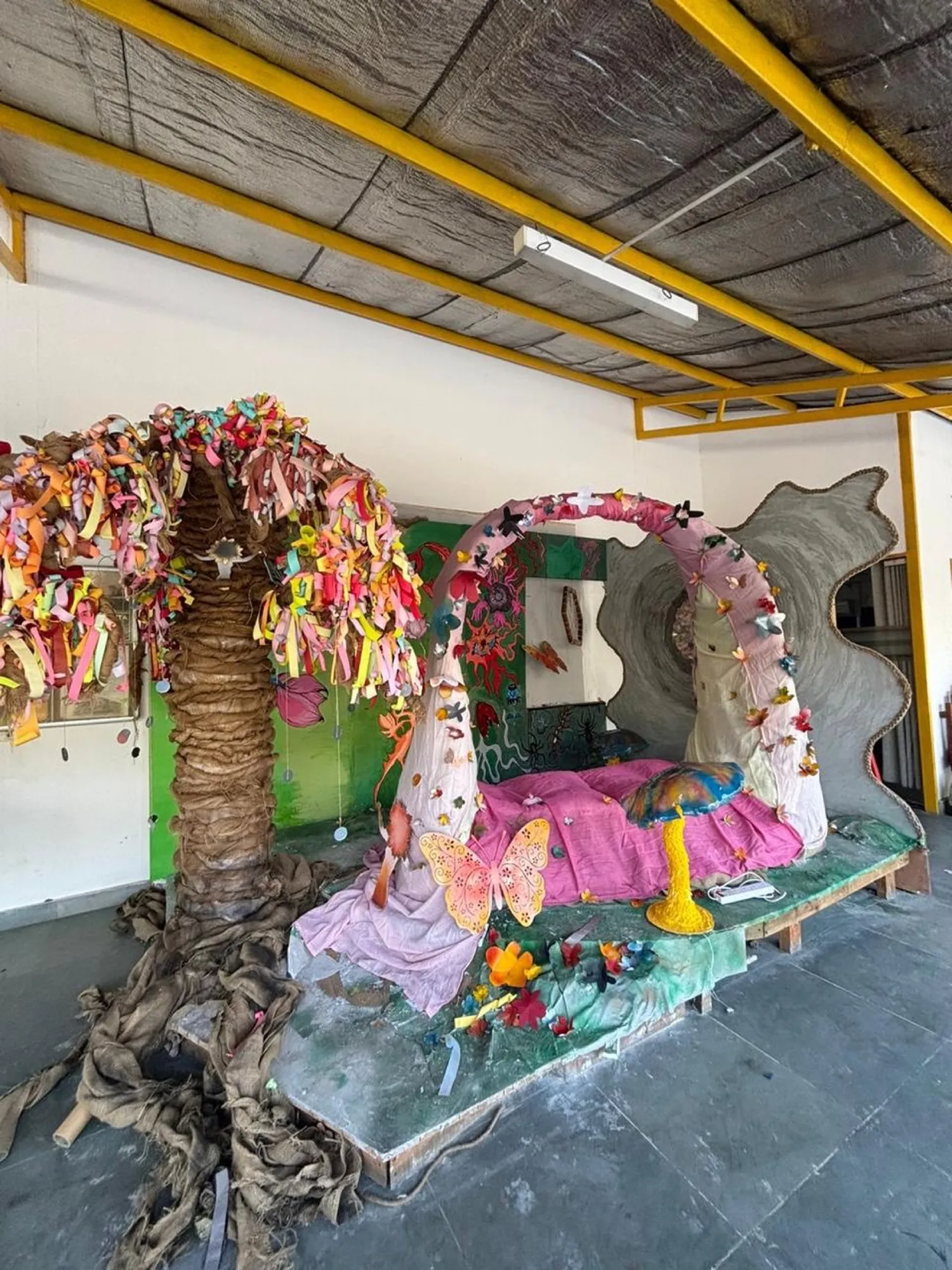
Instructor: Kripesh Jani
Manasvii Dutta, Nandani Sharma, Aswin Kumar, Naomi Mathew, Saanvi
Semester 7 Fall 2025
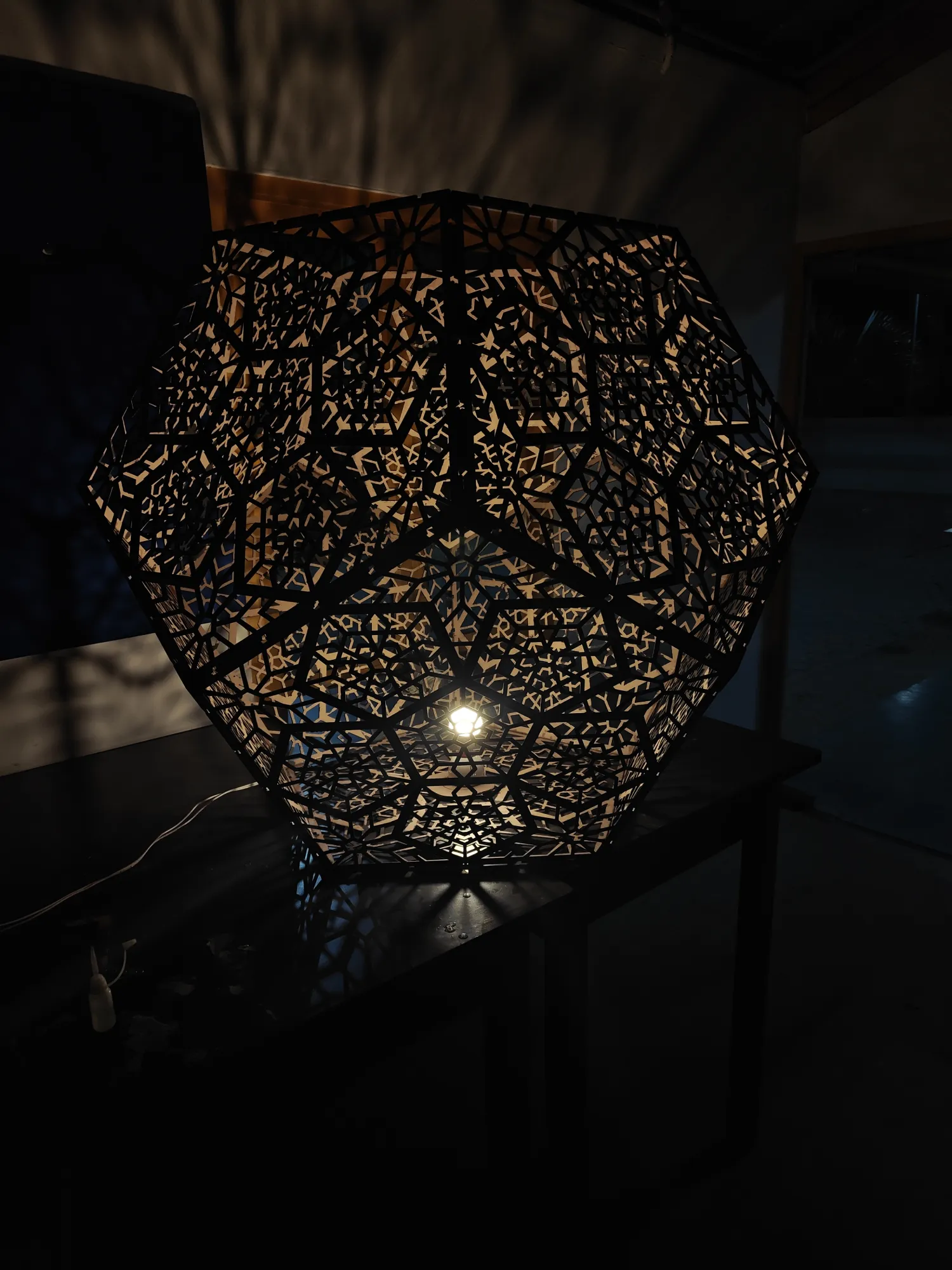
Instructor: Ayodh Vasant Kamath, Kripesh Jani, Kapil Grover
Rishi Choraria, Tanay Bathwal, Rishit Rampal
Semester 1 Fall 2025
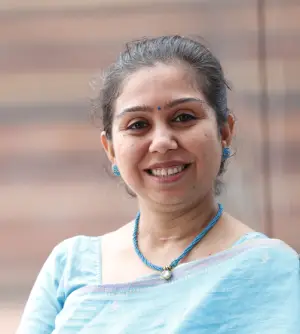
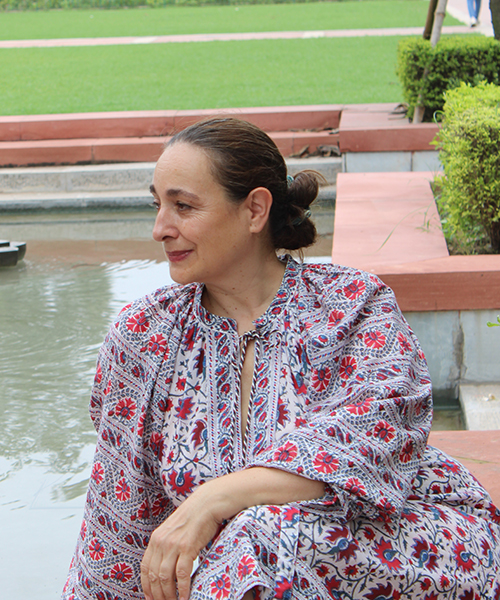
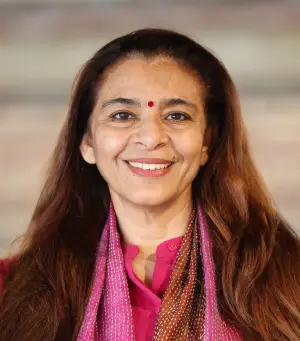
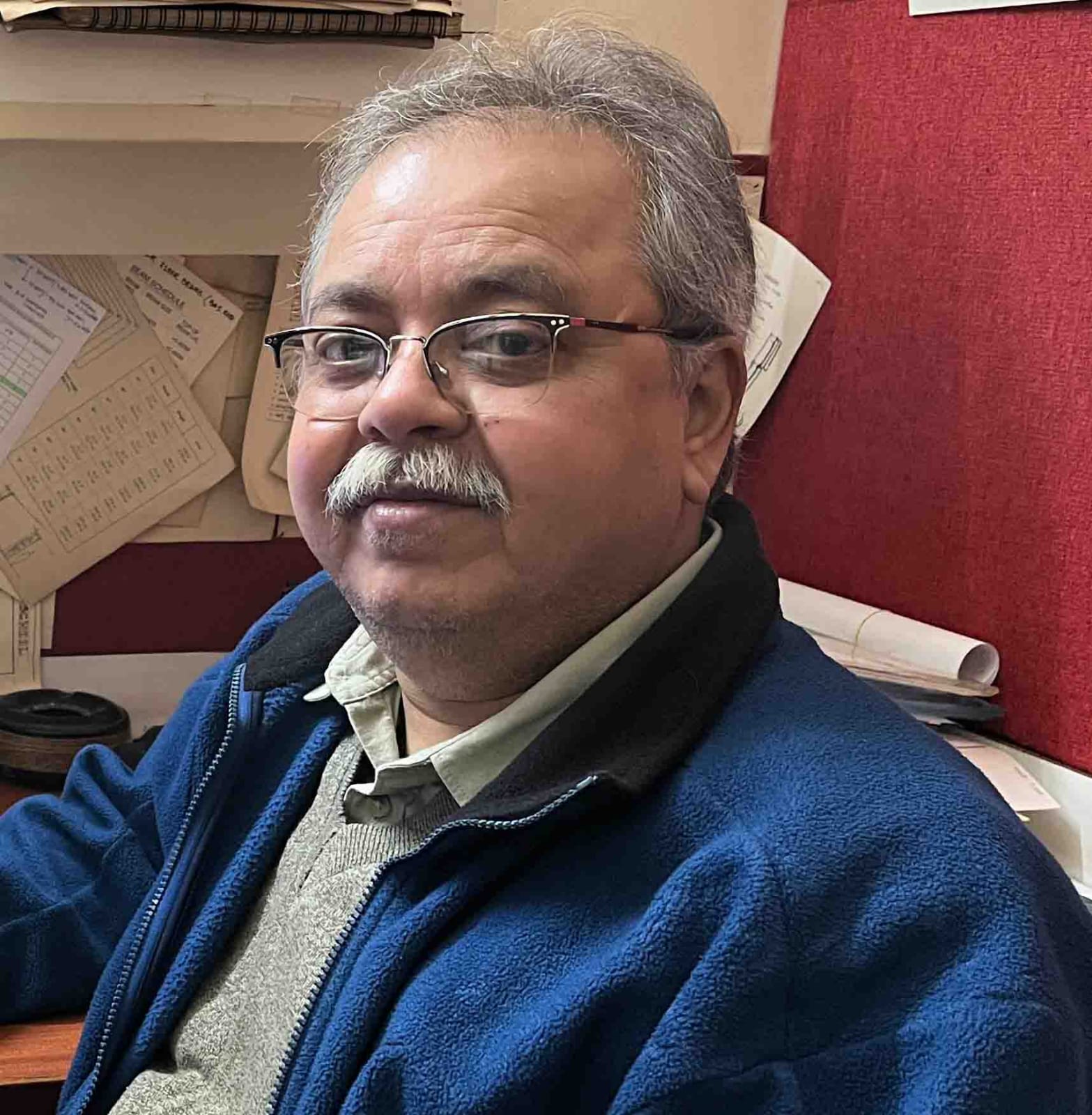
Learn from distinguished architects and academics who bring decades of professional experience and research excellence





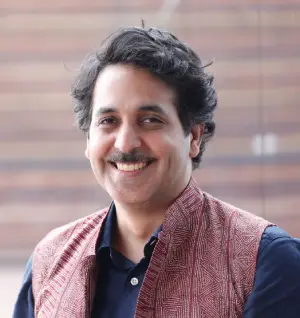

Hear from our students who are transforming their creativity into designed imaginations

My four years at JSDA were truly transformative. The programme balanced strong design fundamentals with hands-on projects and flexible learning. Pursuing a Legal Studies minor, a semester exchange at Newcastle University, and active Student Council involvement broadened my global outlook, leadership skills, and professional confidence.

Studying at Jindal School of Design and Architecture has been a very enriching experience for me. The curriculum encouraged me to think critically, experiment creatively, and learn hands-on. With constant support from the faculty and a collaborative environment, I’ve grown more confident in my work and more thoughtful in how I approach design.

At JSDA, I discovered design as an ethical act, where elegance and responsibility coexist. Through modules on political representation, sonic climates, and forensic analysis of structures, I've learned to address societal challenges by merging creativity with sustainable, climate-conscious thinking.
Get answers to common questions about our Interior Design programme
Students who have successfully completed Class 12 (10+2) from a recognised board in any stream are eligible to apply for the B.Des – Interior Design programme at JSDA. Applicants must meet the academic criterion of a minimum of 50% aggregate marks in Class 12 from CBSE, ISC, State Boards, IB, Cambridge, or other recognised boards. A portfolio of prior creative work is also required as part of the application.
Admission to the Interior Design programme at JSDA is competitive and merit-based, conducted in multiple stages:
1. Application submission with a personal statement.
2. Jindal Creative Aptitude Test (JCAT) or submission of a valid UCEED/NID/NIFT score.
3. Personal interview and portfolio evaluation for shortlisted candidates.
Successful candidates are selected based on creative potential, design aptitude, and interview performance.
Yes — Jindal School of Art & Architecture (JSDA) offers Merit-cum-Means (MCM) Scholarships and other merit-based financial awards to support deserving students enrolled in the B.Arch programme. These scholarships are designed to encourage high academic achievers and talented applicants by providing tuition fee support based on family income, board scores, entrance exam results, and interview performance, with some awards potentially covering a significant portion of tuition fees for eligible students.
At the wider O.P. Jindal Global University (JGU) level, scholarships are offered on a merit-cum-means basis across programmes including architecture, assessed through a transparent review process that considers academic merit, financial need, and co-curricular excellence.
These financial aids help make high-quality education more accessible and reward students who demonstrate strong academic performance and potential.
Graduates of the B.Des – Interior Design programme at JSDA are prepared for a range of industry roles in spatial and creative design, including:
1. Interior Designer / Spatial Designer
Designs functional, aesthetic interior environments across residential, commercial, hospitality, and institutional projects, integrating materials, lighting, ergonomics, and user experience.
2. Retail & Space Designer
Creates immersive retail environments that align brand identity with spatial planning, customer behaviour, circulation, and material strategies to enhance engagement and commercial performance.
3. Visual Merchandiser
Designs compelling product displays and spatial narratives using colour, lighting, graphics, and layout to influence consumer experience in retail and exhibition contexts.
4. Set & Production Designer
Conceptualises and designs spatial sets for film, television, theatre, and digital media, translating narratives into physical environments through materials, scale, and atmosphere.
5. Object / Furniture Designer
Designs furniture and interior objects by combining ergonomics, material exploration, fabrication techniques, and aesthetics to support and enhance interior spaces.
6. Exhibition & Museum Designer
Creates interpretive spaces that communicate stories through spatial sequencing, graphics, lighting, multimedia, and material choices, balancing education, conservation, and visitor experience.
7. Event and Space Curator
Designs and curates temporary spatial experiences for events, festivals, installations, and pop-ups, focusing on storytelling, scenography, audience interaction, and time-based design.
8. Design Researcher or Stylist
Engages in material, cultural, and trend research to inform interior concepts, styling decisions, and visual narratives for design studios, brands, or publications.
9. Design Journalist / Content Creator
Documents and communicates design ideas, projects, and trends through writing, photography, video, and digital media, contributing to design discourse and public engagement.
10. Entrepreneur / Independent Design Practitioner
Builds independent practices or startups offering interior design, styling, consultancy, or niche design services across diverse spatial and creative domains.
These pathways underscore the flexibility and breadth of career options that JSDA’s B.Des (Interior Design) graduates can pursue—whether in traditional design practice, specialised domains, or evolving roles at the intersection of technology and the built environment.
Have more questions?
Contact Admissions Team