
Learn to create Immersive Experiences grounded in empathy, behavior, and cultural context.
Our Bachelor of Immersive Experience Design programme is a comprehensive 4-year undergraduate degree that integrates design thinking, emerging technologies, and spatial practices. The curriculum equips students to design meaningful, human-centred experiences across physical, digital, and hybrid environments, preparing them to respond to evolving challenges in immersive and interactive design.
The programme emphasizes experiential design, immersive media, and interactive systems. Students engage with real-world contexts ranging from interactive installations and exhibitions to extended realities (XR), smart environments, and spatial interfaces. Through studio-based learning, industry engagement, and hands-on prototyping, students develop a strong portfolio of works that reflects their individual design philosophy and technical competence.
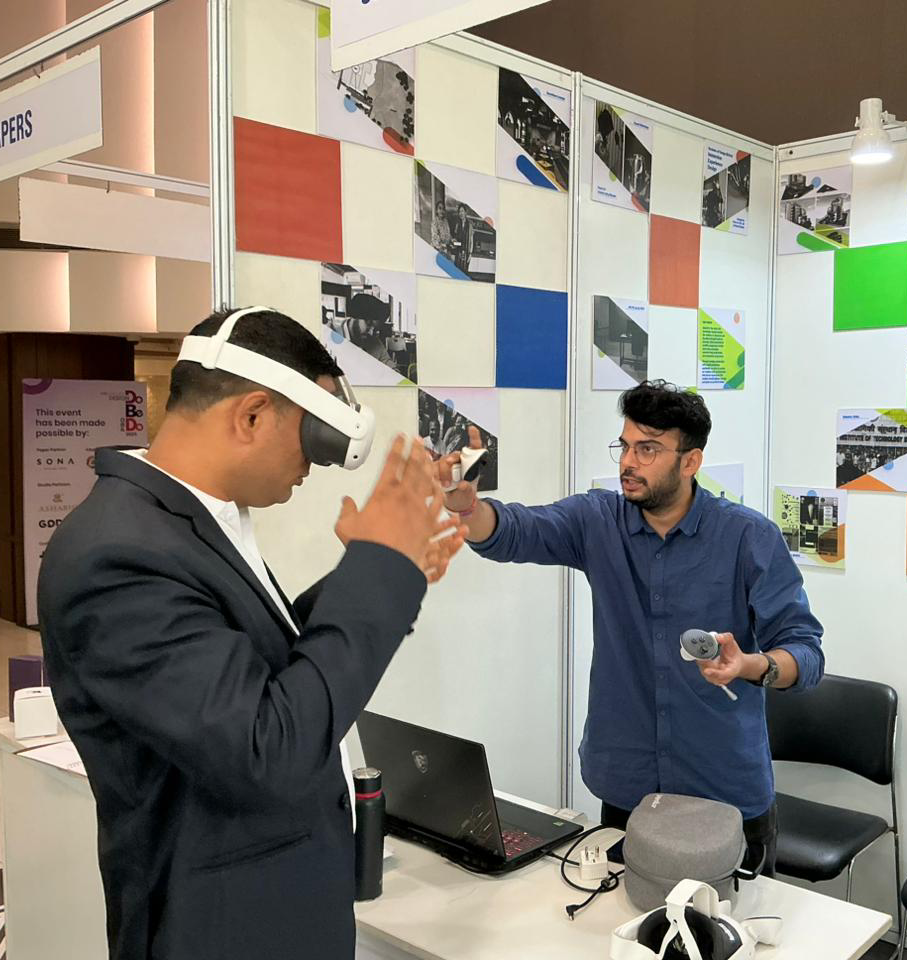
Learn immersive design at the intersection of creativity, technology, and global practice.
The programme integrates design, technology, storytelling, spatial thinking, psychology, and media studies to build holistic immersive experiences. Students learn to collaborate across disciplines—combining coding, narrative design, interaction principles, and visual culture—to create meaningful digital and hybrid environments that respond to human behavior and emerging technologies.
Strong industry engagement is embedded through live projects, studio mentorship, internships, and collaborations with professionals from gaming, XR, media, and creative technology sectors. Students gain hands-on exposure to real-world workflows, production pipelines, and emerging tools, graduating with portfolios aligned to evolving immersive experience industries.
With a globally benchmarked curriculum and exposure to international trends in AR, VR, XR, and virtual production, the programme prepares students for cross-cultural digital ecosystems. Engagement with global case studies, visiting experts, and contemporary practices ensures graduates are equipped for international careers in immersive media and experience design.
World-class facilities designed to support your creative and technical development
The Immersive Experience Design degree opens doors to diverse and rewarding career opportunities.
Designs and develops immersive AR/VR experiences that blend interaction, storytelling, and technology. Focuses on user flow, spatial interaction, and real-time performance.
Designs immersive, story-driven 3D worlds for games and interactive media. Focuses on environment modeling, lighting, materials, and mood to create believable digital spaces.
Designs immersive spatial experiences across physical and digital environments. Focuses on layout, lighting, materials, and rendering to enhance perception and engagement.
Creates photorealistic and interactive visualizations for architectural and real estate projects. Uses real-time rendering and storytelling to communicate design intent and spatial experience.
Creates high-fidelity virtual environments for training, planning, and medical simulation. Works closely with subject experts to ensure realism, accuracy, and usability in critical scenarios.
Leads the design of XR products through user research, rapid prototyping, and usability testing. Ensures experiences are intuitive, accessible, and grounded in human-centered design principles.
Designs and models vehicles for games, urban visualizations, and concept design. Balances aesthetics, scale, functionality, and realism across interactive and cinematic contexts.
Builds detailed, optimized 3D assets such as objects, furniture, and tools for games, XR, and simulations. Ensures visual quality while meeting technical and performance constraints.
Bridges art and technology by optimizing assets, building shaders, and implementing pipelines in real-time engines. Ensures visual fidelity while maintaining performance and scalability.
Explore the innovative designs and creative solutions developed by our talented students
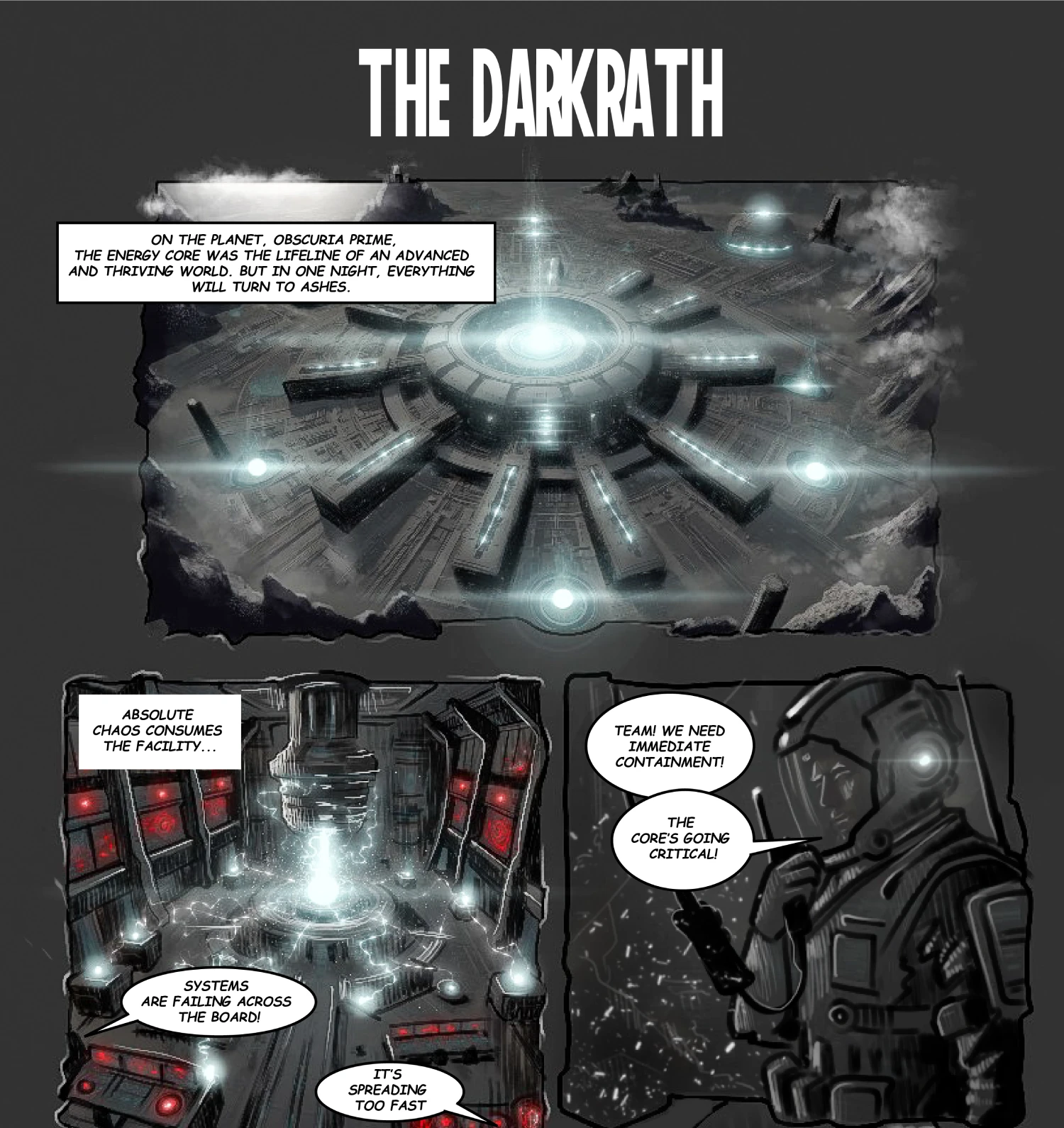
Instructor: Somnath Sen
Niranjan Venugopal
Semester 4 Spring 2025
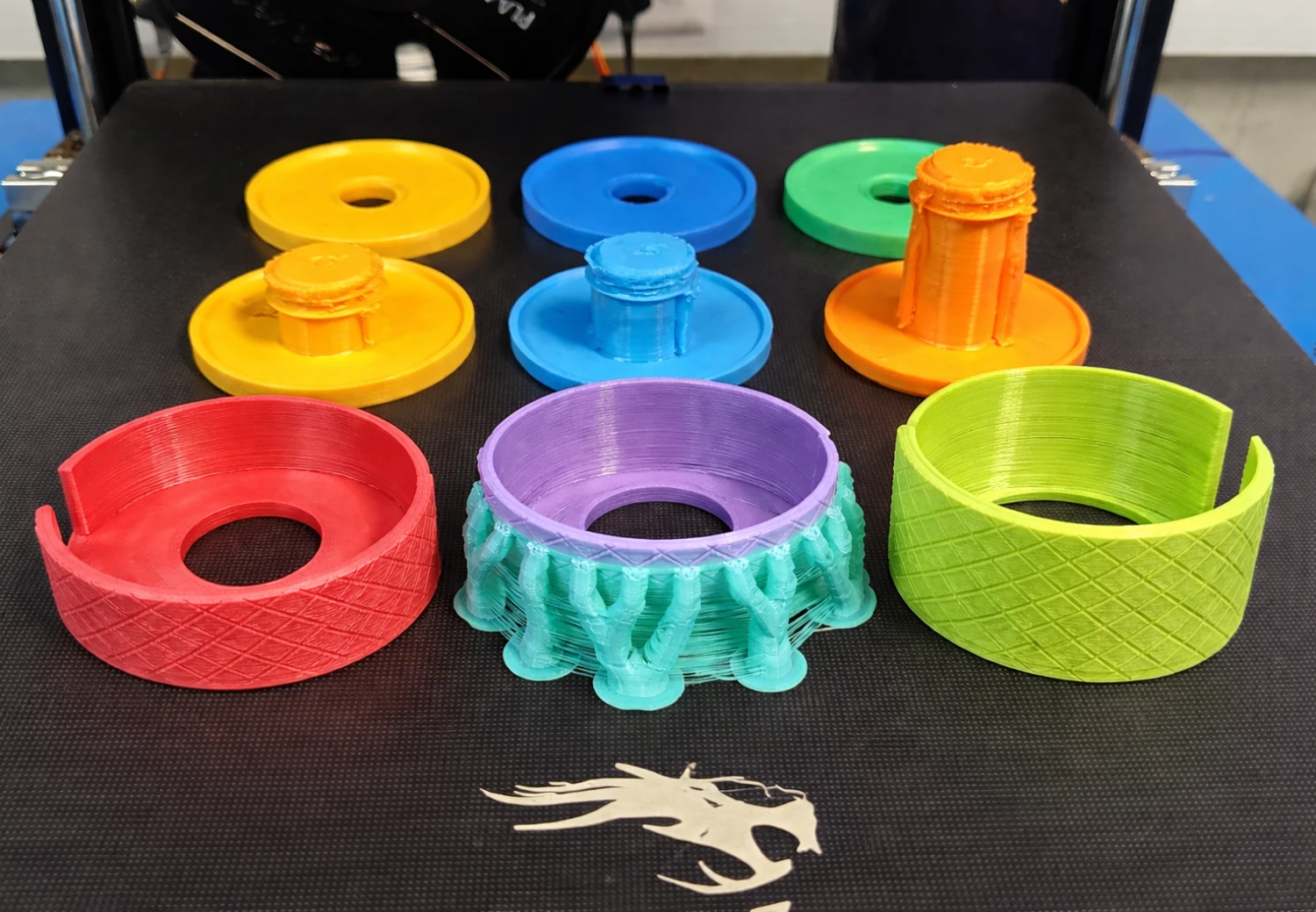
Instructor: Venkatesh Varala
Urnabi Biswas, Aaleesha Sawhney, Satakshi Goel, Mihir
Semester 5 fall 2025

Instructor: Nikunj Sethi
Chandini Vishnupriya
Semester 3 Fall 2025
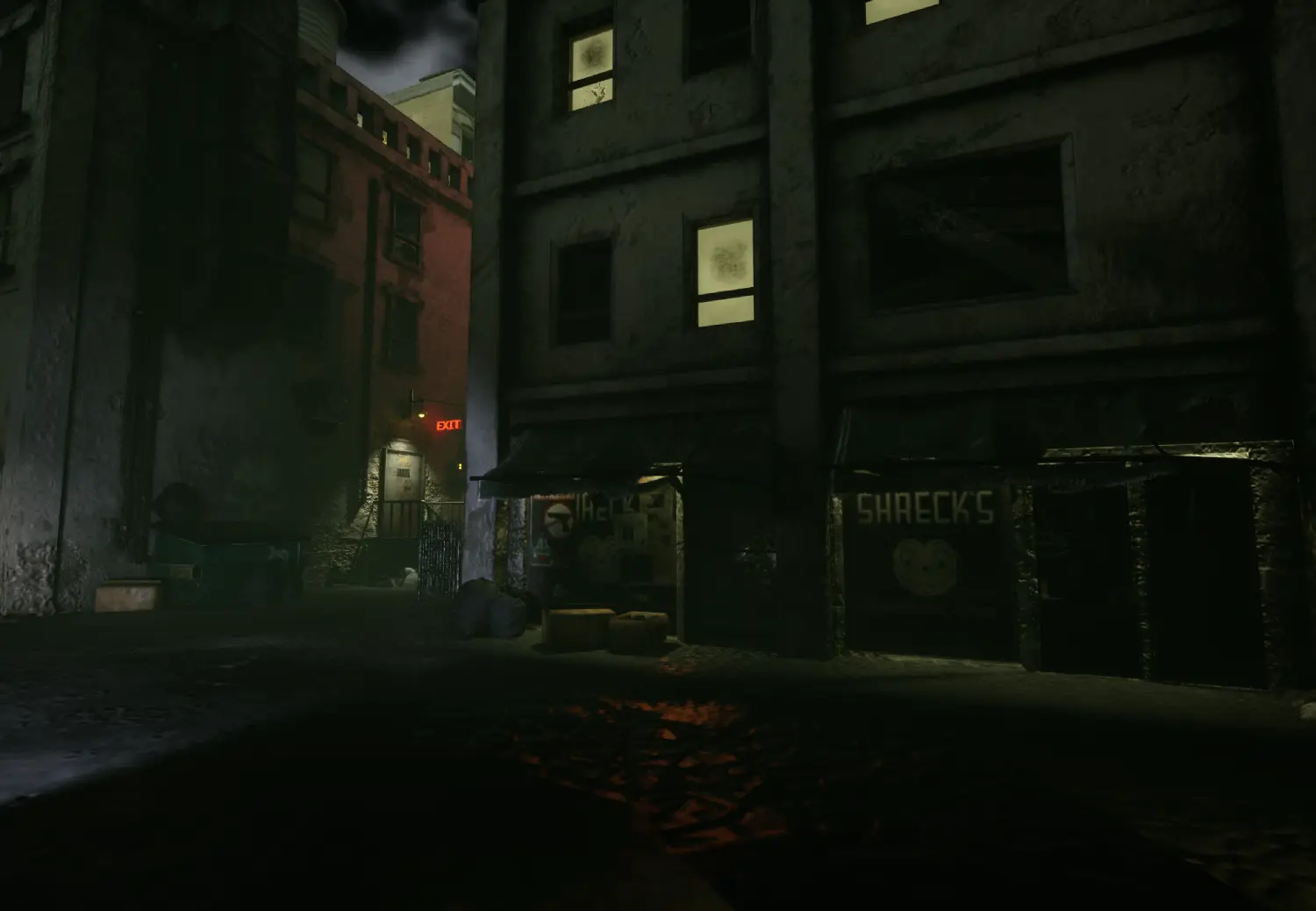
Instructor: Vikrant Chandekar
Siddharth Dhingra
Semester 7 Fall 2025
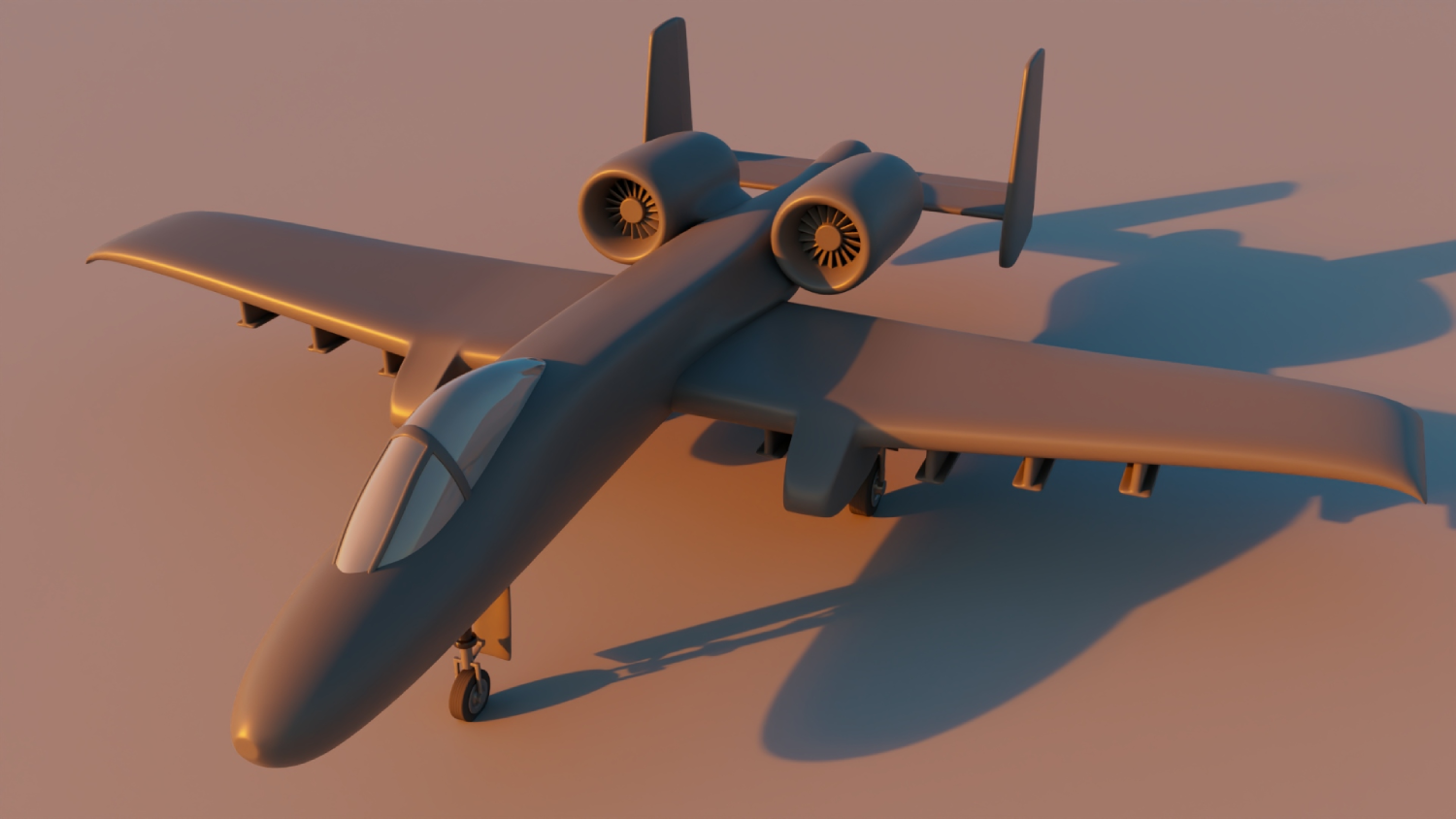
Instructor: Varun Sharma
Vikram Rajsimha
Semester 5 Fall 2025
Learn from distinguished architects and academics who bring decades of professional experience and research excellence
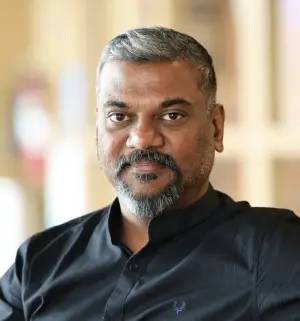
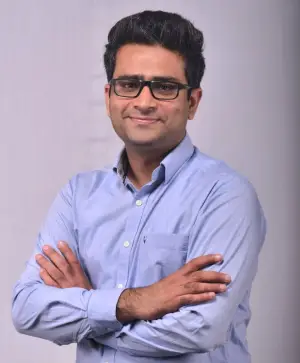
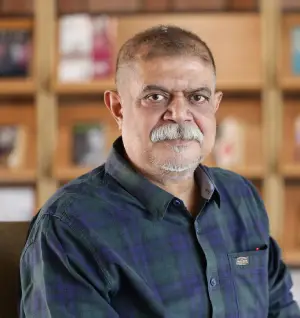



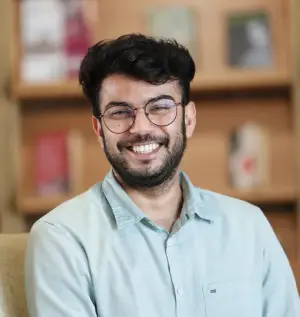

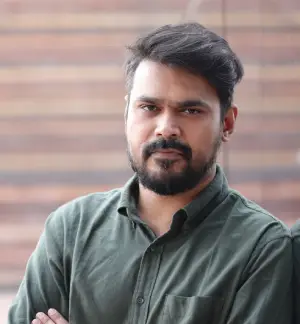
Hear from our students who are transforming their creativity into designed imaginations
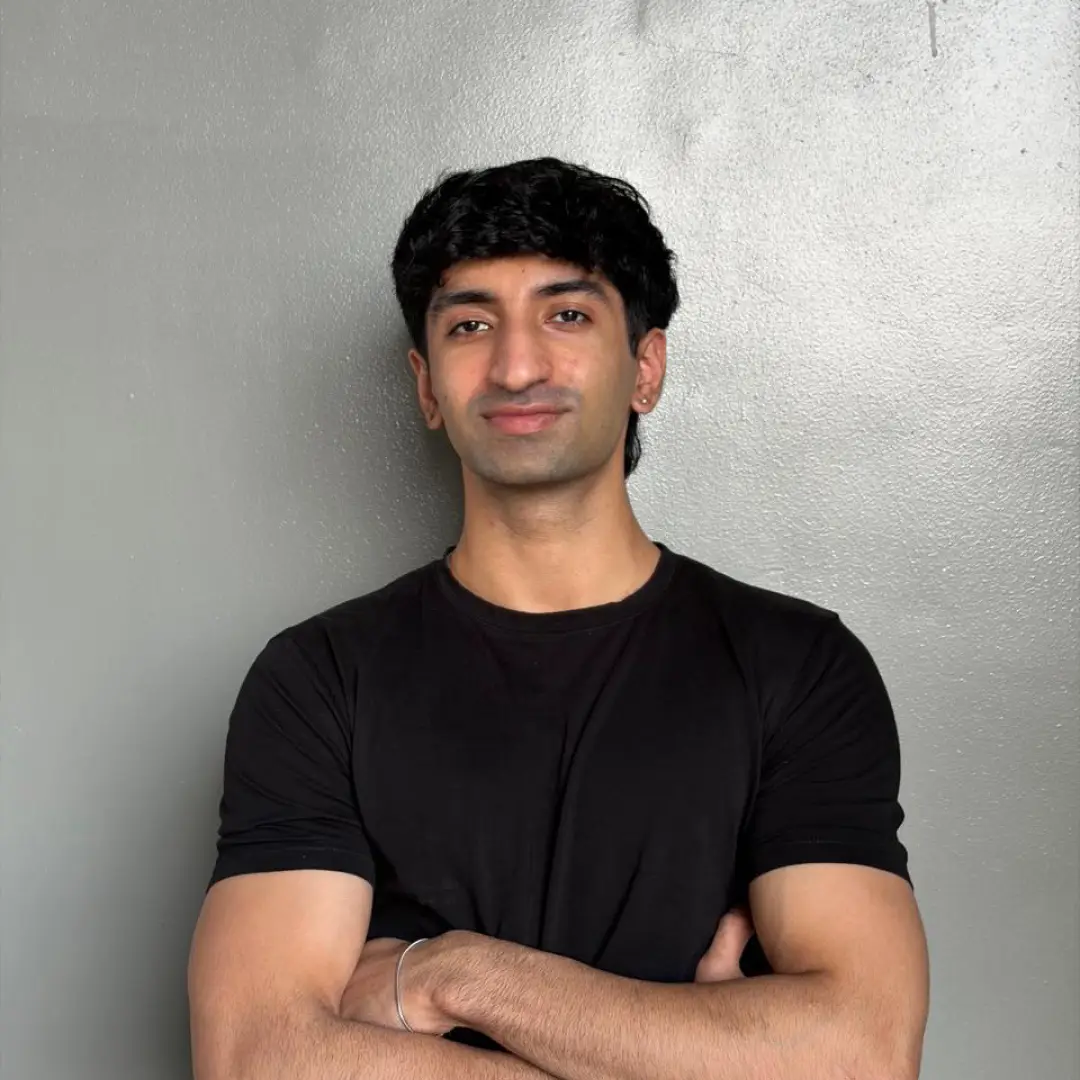
JSDA has given me the space to explore design beyond just tools and software. The course encouraged me to experiment, and a have strong balance between concept and execution. The faculty support and project-based learning is something that stood out and groomed me for the real world experience.
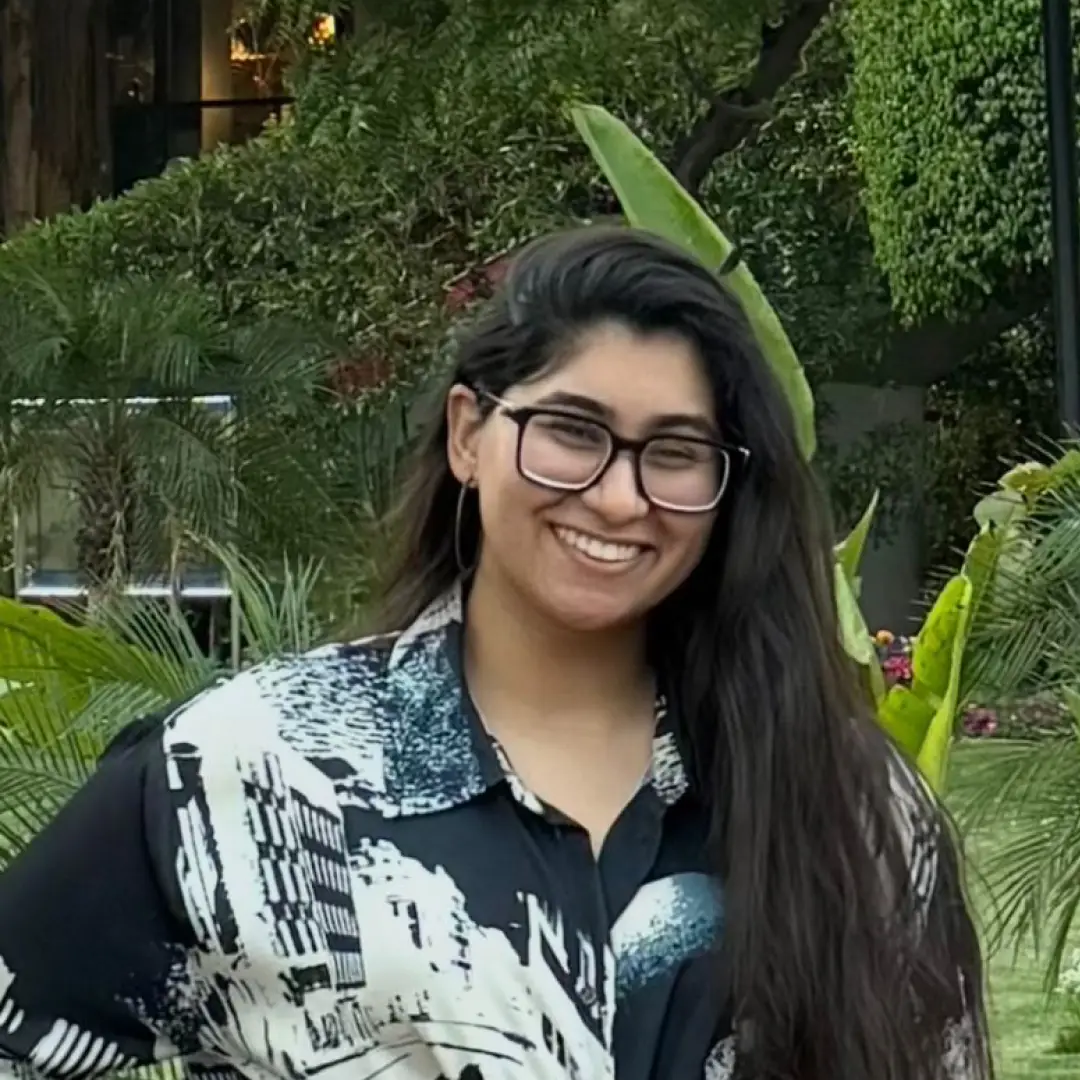
At JSDA, learning goes beyond screens and software. We work hands-on with tools and materials, from woodwork and metal to clay and even scrap. This making-first approach builds a deep understanding of form, structure, and materiality and the studio culture encourages experimentation and critical thinking. It has helped me develop a more grounded, confident, and versatile design practice.
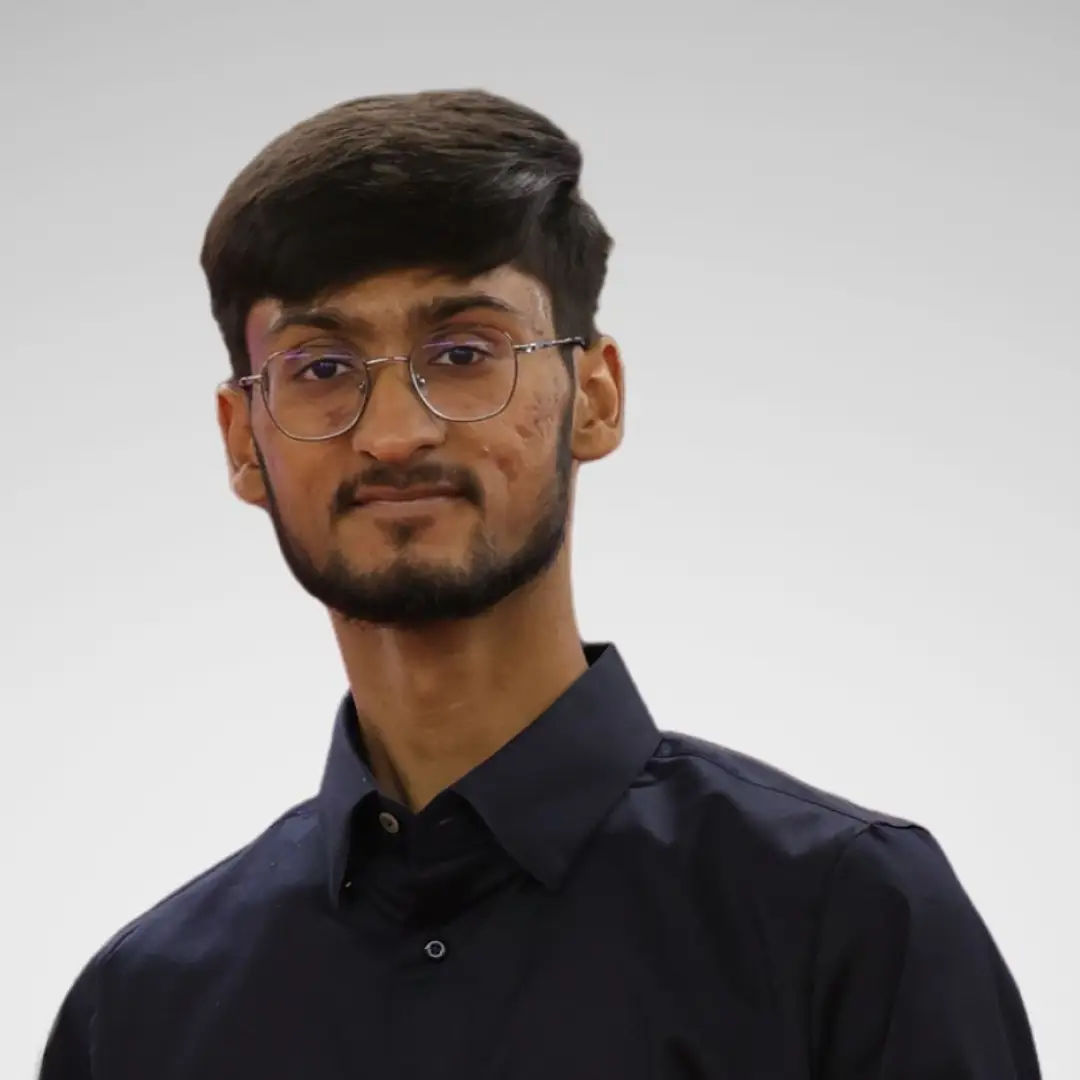
Being a student at Jindal School of Design and Architecture has been a transformative journey for me. The studio-based learning and constant encouragement to think critically have helped me grow not just as a designer, but as a thinker. The faculty is supportive and pushes us to experiment, question, and innovate. JSDA has truly given me the confidence to shape ideas into impactful design experiences.
Get answers to common questions about our Interior Design programme
Students who have successfully completed Class 12 (10+2) in any stream from a recognised Indian or international board (e.g., CBSE, ISC, State Boards, IB, Cambridge, NIOS) are eligible to apply for the B.Des (Immersive Experience Design) programme. IB students must secure a diploma with required subject credits, and Cambridge students must hold an A-level certificate.
This programme doesn't require prior coding knowledge.
Admission is competitive and merit-based, conducted in three stages:
1. Application submission with a Personal Statement showcasing motivation and interests.
2. Jindal Creative Aptitude Test (JCAT) or submission of a valid UCEED/NID score.
3. Portfolio review and personal interview to assess creative potential and design thinking.
Successful candidates receive provisional admission based on cumulative performance.
Yes — Jindal School of Art & Architecture (JSDA) offers Merit-cum-Means (MCM) Scholarships and other merit-based financial awards to support deserving students enrolled in the B.Arch programme. These scholarships are designed to encourage high academic achievers and talented applicants by providing tuition fee support based on family income, board scores, entrance exam results, and interview performance, with some awards potentially covering a significant portion of tuition fees for eligible students.
At the wider O.P. Jindal Global University (JGU) level, scholarships are offered on a merit-cum-means basis across programmes including architecture, assessed through a transparent review process that considers academic merit, financial need, and co-curricular excellence.
These financial aids help make high-quality education more accessible and reward students who demonstrate strong academic performance and potential.
Graduates of the B.Des – Interior Design programme at JSDA are prepared for a range of industry roles in spatial and creative design, including:
1. Immersive Media Producer
Designs and produces immersive AR/VR/XR experiences for media, entertainment, and interactive storytelling platforms.
2. Digital Storyteller / Virtual Production Artist
Creates narrative content and virtual environments using advanced digital tools for film, games, and experiential media.
3. Gaming & Simulation Designer
Develops engaging gameplay environments and realistic simulations using immersive technologies and user-centred design principles.
4. Interaction Designer / Interface Architect
Designs intuitive interfaces and interactive systems that optimize user experience across AR/VR and digital platforms.
5. AR/VR Content Developer
Builds compelling augmented and virtual reality content, blending storytelling with interactive design and technology.
6. Object / Gaming & Simulation Designer
Designs virtual assets and interactive elements within immersive environments for games, educational tools, and simulations.
7. Experience Designer / UX Specialist
Crafts seamless and meaningful user experiences across digital, virtual, and hybrid physical-digital platforms.
8. Academic / Researcher in Built Environment
Conducts research and teaches at the intersection of immersive design, technology, and environment studies.
These pathways underscore the flexibility and breadth of career options that JSDA’s B.Des (Immersive Experience Design) graduates can pursue—whether in traditional design practice, specialised domains, or evolving roles at the intersection of technology and the built environment.
Have more questions?
Contact Admissions Team