
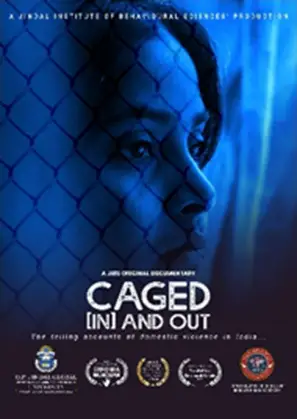
Officially screened at the annual convention of the World Society of Victimology in Donostia–San Sebastián, Spain, Caged (In) and Out explores the intricate realities and ubiquity of domestic violence in India through the eyes of survivors and their kin. The film also highlights the perpetual travails of the grassroots women-led self-help groups and organizations to fight for survivors' justice and the need for early gender sensitization in the community. The 60-minute film is part of the groundwork and research undertaken by the Jindal Institute of Behavioural Sciences (JIBS) a value-based research centre at O.P. Jindal Global University.




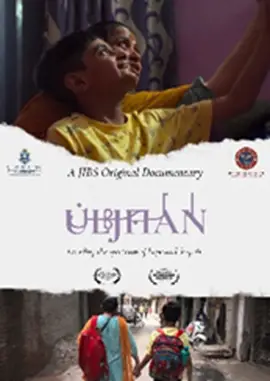
Delving into the lives of families with autistic children, "Uljhan" is a 40-minute documentary film that navigates the challenges of raising children on the spectrum in India. Documenting societal misconceptions and confronting stigmas, "Uljhan" captures the relentless battle these families wage for their cherished ones. The film explores a mother's emotional journey, a family’s intense struggle, and relentless efforts by ground-level non-profit organizations to destigmatize autism. The film also tries to demystify autism's complexities, granting viewers a profound understanding of the spectrum and its associated challenges.



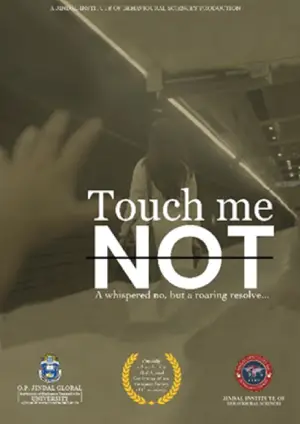
Touch Me Not’. Touch Me NOT is a JIBS original docufiction that delves into the pervasive issue of bad touch in public spaces. With a runtime of approximately half an hour, the film explores the rampant problem of sexually inappropriate touch in public spaces across India. Through detailed research, survival accounts, and expert insights, the documentary sheds light on the psychological trauma, social stigma, and legal challenges survivors endure. Ideated, shot, and produced by highly trained media researchers at JIBS, the film aims to highlight the urgent need for societal awareness, stricter law enforcement, and comprehensive educational initiatives to combat this issue and create safer public spaces for all.