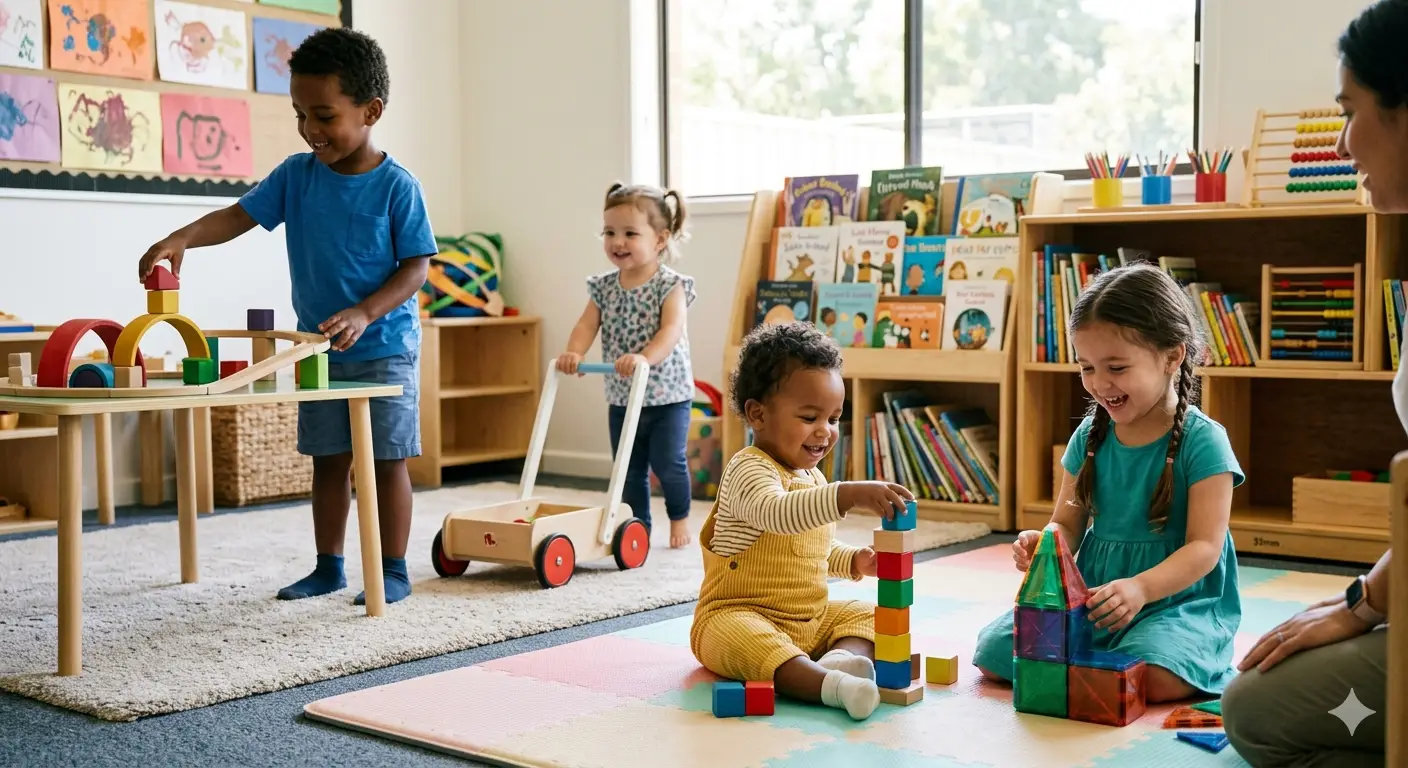
Child development is not a single, uniform process — it unfolds through a series of stages, each marked by specific cognitive, emotional, social, and physical changes. These stages are influenced by a combination of biological, environmental, and psychological factors. This is where psychology plays a crucial role, offering scientific insight into how children think, learn, behave, and evolve. In this blog, we explore the different stages of child development and understand how each phase contributes to shaping a child’s overall growth and future well-being. What are the Different Areas of Child Development? From a psychological and physiological perspective, the development of a human child is a long process, spanning well over a decade. The areas of development are divided into four categories to better monitor children during these times. The four areas of child development are: Motor: Childhood is considered the prime time for children to develop most of the motor skills, such as body movement, balance, coordination, etc., which are required to perform everyday activities and live a normal life. Cognitive: The cognitive abilities are the source for humans to think, analyze, interpret, and react to certain words, visuals, sounds, or ideas, and they usually develop during the early years of human life. Language & Communication: Since the time of birth, babies start to communicate and learn from their surroundings. An infant’s incessant curiosity to mimic gestures and sounds leads them to learn languages and apply them for communication as their cognitive abilities start to unravel. Social & Emotional: …