

Architecture is one of the few professional disciplines whose relevance has only grown with time, shaping the way societies live, work, and interact with their surroundings. In the modern world, architecture goes far beyond constructing buildings, it reflects cultural identity, technological progress, environmental responsibility, and the evolving vision of civilized spaces.
As cities expand and human needs diversify, architecture has developed into multiple specialised forms, each responding to distinct functional, social, and aesthetic demands. Understanding these different approaches helps us appreciate how thoughtfully designed spaces influence everyday life.
This blog explores the seven key classifications of architecture, offering insight into how each category contributes to the built environment and why they remain essential in shaping the future of our communities.
How Architecture Has Evolved?
The evolution of architecture has gradually progressed, and the first few signs of architecture that have survived through time include stone structures such as Stonehenge or the Pyramids. Some of these ancient architectural marvels have kept architects and historians baffled with their scale and purpose during ancient times, but have never ceased to inspire.
The creation of tombs and temples were one of the earlier ways for humans to set up structures and monuments for the purpose of remembering. As civilizations grew, architecture grew, and by the medieval period, castles started to grow in prominence. The gothic structures of the Greeks or Romans gave way to the Neoclassical era of architecture, which later evolved into Modern and Postmodern architectural styles in the current era.
What are the 7 Classifications of Architecture?
One of the first things that you will learn in the best architecture colleges in India is about the classifications of architecture, specifically, 7 types to be precise. These architectural types help define the structure and aid in the design and construction planning process.
Residential Architecture: The basic purpose of residential architecture is to build homes for families. A home can be made in any style that the homeowner may decide, and residential architects are tasked with evaluating the prospect of the project and providing an estimate.
Commercial Architecture: Commercial architecture is any building or structure that is commercially used for business purposes or for public use. Instead of working with individuals or families, commercial architects tend to work with companies or governments, making bridges, hotels, etc.
Landscape Architecture: In ancient times, kings and queens were very much obsessed with the beautification of outdoor spaces. This phenomenon later resulted in the creation of parks, gardens, and other types of landscape architecture that usually cover vast areas and make them useful and beautiful at the same time.
Interior Designer Architecture: The craze of interior design may seem like a 21st-century thing, but its historical presence has been far too great to ignore. These architects are responsible for working on the insides of a building and making it desirable and habitable for its occupants.
Urban Design Architecture: Much of the recent architectural projects are concerned with urban design, making our cities more efficient and convenient for homeowners. Urban Design Architecture includes the extensive planning for smart cities, specifically designed to make the city experience more lively.
Green Design Architecture: Nodding to the contemporary wave of environmentally friendly construction, Green Design Architecture is a revolutionary model that follows the means of sustainable development. Green architects aim to reduce the negative impact of construction on the natural environment.
Industrial Architecture: Since the start of the first Industrial Revolution, the vision of industrial architecture has been rooted in progress. Factories to government buildings all fall under industrial architecture, and they are built according to the specific purpose they are supposed to serve.
In the best architecture colleges in India, these 7 architectural types are held as blueprints for aspiring architects to decide on their future and make informed career choices. Students of architecture must be made familiar with the different types of construction materials that may be applicable for strong and all-weather buildings.
What are the 7 Steps of the Architectural Process?
No matter the type, every architectural project has to go through a specific set of processes that essentially mark the timeline or milestones for the project. The basic breakdown of the architectural process includes 7 steps that denote the stages from conception to execution.
Pre-Design: In this highly competitive market of architecture, architectural designers have to be more outgoing and meet with stakeholders or other parties to understand their needs and requirements to deliver something that is relevant to the vision.

Schematic Design: The pre-design phase helps architects set a goal, and they can start working on the various design schemes, from which the client is asked to make a choice. This stage allows the architect to work on different versions of the project, perfecting their craft and sketches.
Design Development: The final design is then developed and presented to the client for final decision. This step is far more precise and specific in terms of measuring and metastasizing each detail of the design. The line, length, height, and width of objects and sections of the design are decided during this phase of the architectural process.
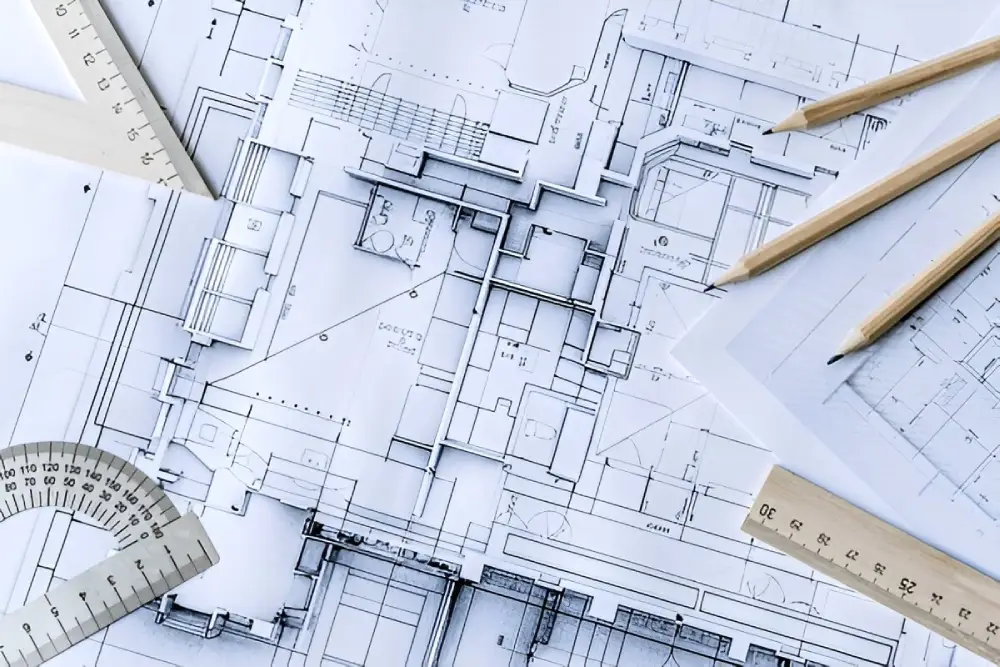
Contract Document: The blueprint attested with the documents explaining the functionality, performing intent, and aesthetic inclinations is compiled under the final contract. The design and construction process would be reviewed for the final time in this stage.
Bidding: Bidding or negotiations can begin when the final contract has been presented to the clients. Architects will provide all the critical measures, costs, and logistics for construction, which will then be negotiated in a meeting or a public process based on what the firm chooses.
Contract Administration: The contract administration is basically the construction phase, where the architects and officials will be present to monitor the construction process. They will be responsible for overseeing the materials, the tools, the workers and techniques to ensure the best results are delivered.
Post-Occupancy: As the buildings or public places are put to their use, the architect has a silent job of attending to any issues or calls made by clients. If clients find any flaw or misalignment with their original vision, as agreed upon, the architect must present an explanation or work to make it right.
These architectural stages provide an outline for students of architecture to plan projects in a systematic manner. Once they plan the project, they can start working on it and also keep track of the timeline and finish the project in due time. The best architecture colleges in India teach students about the architectural process, so students can divide their projects into stages and focus on each step of the process separately.