
JGU opens Chief Justices of India Museum at its campus
JGU opens Chief Justices of India Museum at its campus
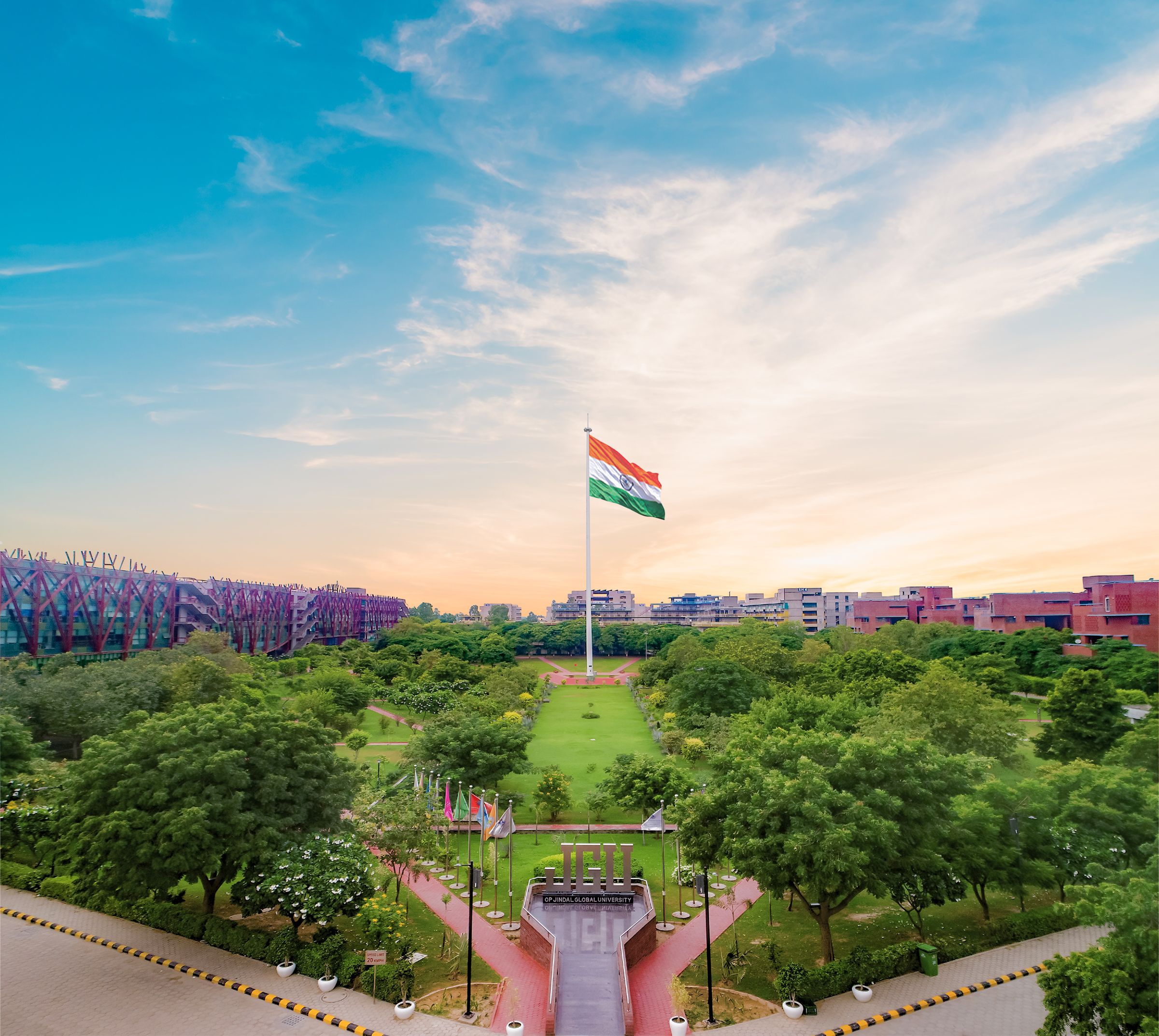
JGU has established at its campus the Chief Justices of India Museum, a historic and one-of-a-kind permanent national institution that seeks to preserve the legacy of India’s constitutional judiciary while inspiring future generations to uphold the constitutional promise of justice, liberty, equality, and fraternity.
Located adjacent to the Nyayabhyasa Mandapam, the world’s largest moot court, India’s first Museum of the Chief Justices extends the vision of India’s first Constitution Museum by honouring the Supreme Court’s guardianship of these constitutional values. It pays tribute to the Chief Justices of India and generations of judges whose wisdom, integrity, and leadership have strengthened the rule of law and enriched India’s constitutional democracy for posterity.
Universities are entrusted with preserving knowledge while nurturing constitutional understanding, critical inquiry, and informed citizenship. The Chief Justices of India Museum reflects this enduring mission by documenting, interpreting, and preserving the leadership, jurisprudence, and institutional legacy of the Supreme Court of India in shaping the constitutional journey of the nation.
Together with the Constitution Museum, it stands as a lasting institution of learning, scholarship, reflection, and public engagement with the ideals, institutions, and constitutional values that sustain the Republic. Through this museum, we aspire to deepen constitutional literacy, strengthen democratic consciousness, foster respect for the rule of law and judicial independence, and inspire present and future generations to recognise that the preservation of constitutional values is a shared national responsibility.
The Chief Justices of India Museum explores justice as an evolving idea, tracing how the Supreme Court of India, through its Chief Justices and Judges, has shaped the nation’s constitutional democracy. It presents the office of the Chief Justice as a living institution that has interpreted, protected, and strengthened the Constitution through moments of national transformation.
By bringing together law, history, memory, scholarship, and public engagement, the museum celebrates the collective legacy of successive Chief Justices and reflects on how their leadership has guided the constitutional journey of independent India through moments of challenge, change, and transformation. It offers visitors an opportunity to understand not only the evolution of constitutional jurisprudence but also the enduring role of the judiciary in safeguarding democratic institutions and the rule of law.
Collections & Experiences
The museum houses an abundance of historical material on the Chief Justices of India and their landmark judgments, alongside an exclusive Oral History Project documenting the lives of the living Chief Justices beyond the Bench. Through these conversations, they share their epiphanies, aspirations, experiences, and inspirations, offering unique insights into the human dimensions of judicial leadership.
The museum also creates reflective spaces through artistic interpretations of significant constitutional judgments and the guiding principles of justice, liberty, equality, and fraternity, inviting every visitor to contemplate their own role in the universal pursuit of justice and the preservation of constitutional democracy.
Five Galleries
The museum comprises five galleries, each with a distinct character and purpose.
Gallery I – Pathways to Justice explores social movements and landmark Supreme Court decisions that transformed India’s constitutional landscape through artistic renderings.
Gallery II – Pillars of Justice invites visitors to discover the lives, leadership, and legacies of the Chief Justices who shaped the Supreme Court of India.
Gallery III – Hall of Constitutional Voices preserves the living memory of constitutional justice through archival recordings and oral histories.
Gallery IV – Keystones of Justice brings defining constitutional judgments to life through immersive exhibits that illuminate the process and significance of constitutional decision-making.
Gallery V – Ideas of Justice functions as a sculpture garden that invites visitors to reflect upon their own responsibilities as citizens in upholding the ideals of justice, constitutional morality, and democratic citizenship.
The Chief Justices of India Museum is a space where the JGU community and the wider public can trace the remarkable journey of India’s constitutional democracy, engage deeply with the ideas and institutions that have shaped our Republic, and renew their commitment to the ideals enshrined in the Preamble and realised through the Constitution of India.