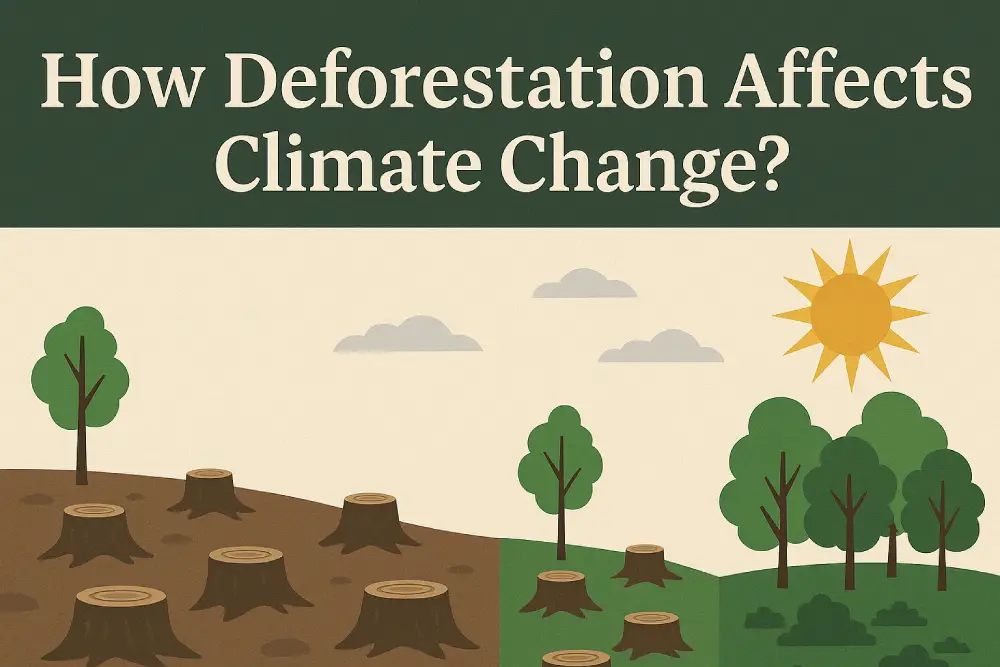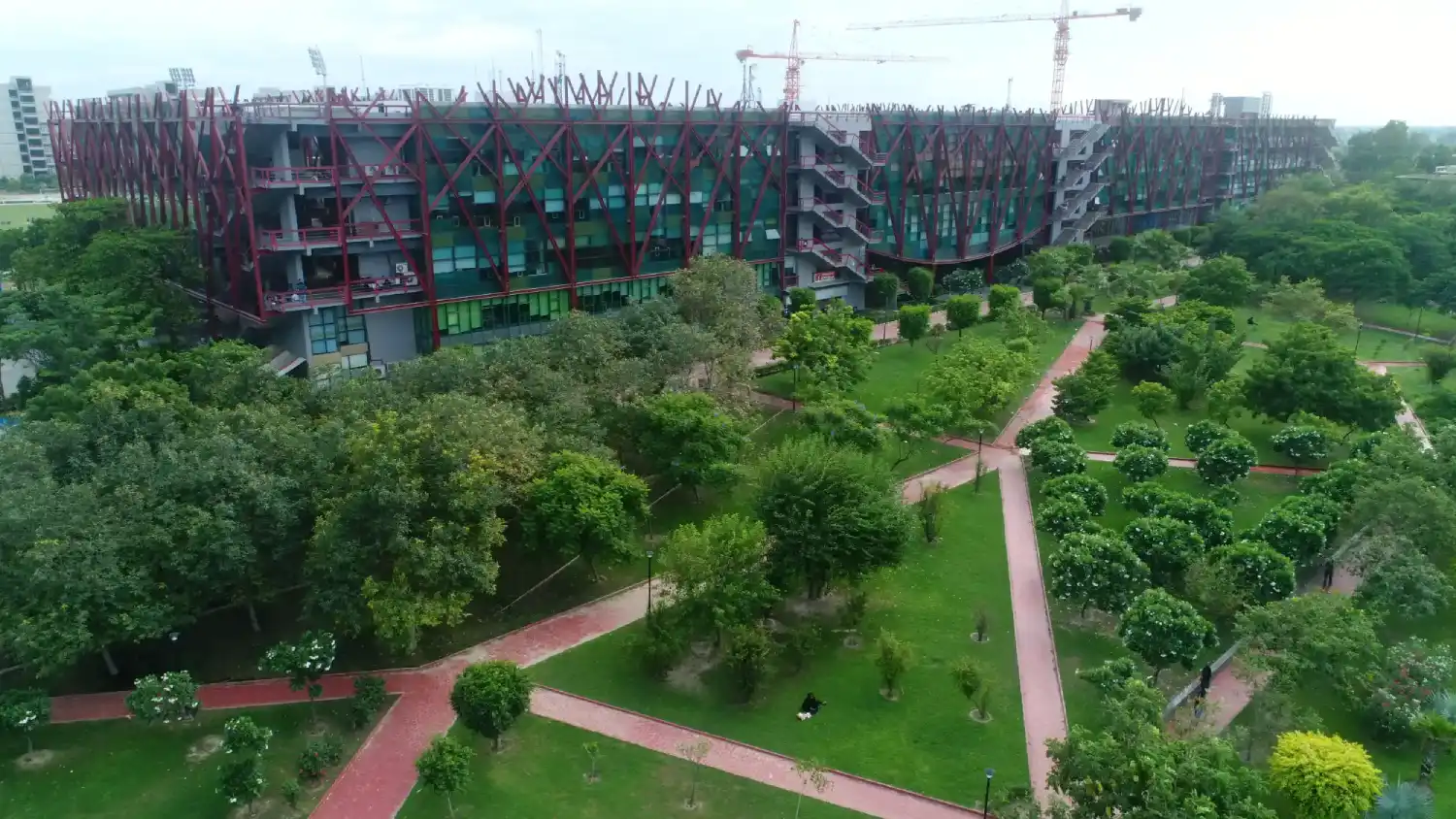
Introduction B.Sc. in Environmental Science has become essential, as human activity continues to aggravate environmental and climatic damage—much of it now seen as irreparable. With growing ecological concerns, the demand for academic programmes like this has surged for all the right reasons. Environmentalists argue that we are currently living through an era of biodiversity collapse—an issue as complex as it is urgent. According to reports, relentless extraction of natural resources has led to human modification of 77% of terrestrial and 88% of marine ecosystems. This has resulted in the loss of 83% of the world’s mammal biomass and nearly half of all plant biomass. Explore Jindal School of Environment & Sustainability B.Sc. in Environmental Science Explore Program An Eco-Friendly Approach For The Future There are ample factors responsible for the rapid environmental degradation. Consequently, there have been numerous attempts made to reverse the effects and ensure a future on eco-friendly grounds. In 2015, the United Nations took up an initiative named as Sustainable Development Goals or SDGs, calling for a plan focused on 17 global issues in the hopes of restoring a balanced social, economic & environmental sustainability by 2030. The dangers of deforestation, heavy industrialisation, and greenhouse gas emissions are steadily coming to light, and the past 200 years of human progression stand in the shadow of an inevitable global crisis. However, all hope is not lost, and the progress of human technology and sciences has also permitted ways to minimise the damage and develop sustainable alternatives without further …