The Health Security se National Security Cess Bill, 2025
January 7, 2026 2026-01-07 9:47The Health Security se National Security Cess Bill, 2025
The Health Security se National Security Cess Bill, 2025
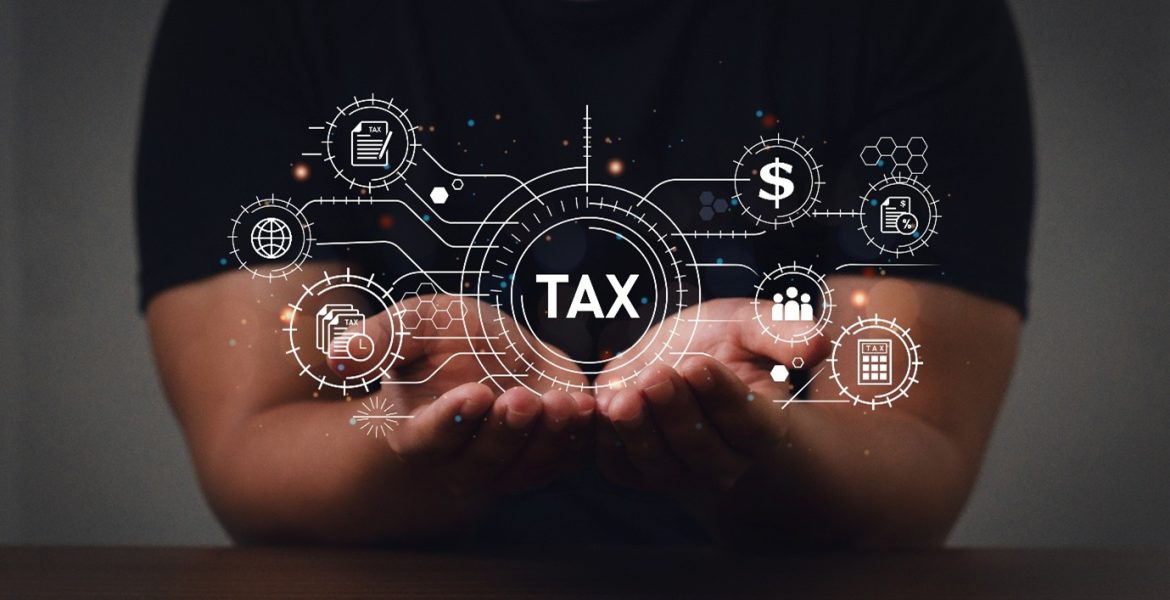
Figure1 : Picture credits -Sakorn Sukkasemsakorn, Source: Vecteezy
By Adiiti Aggarwal
Introduction
The Health Security se National Security Cess Bill is introduced in 2025 and is intended to provide a legal framework for levying a special excise tax (cess) on machinery installed or processes employed to manufacture or produce certain goods on a manual, mechanical, or hybrid basis. The goal of the Bill is to enhance the federal government’s ability to finance expenditures related to National Security and Public Health through the development of an established and predictable source of revenue for both National Security and Public Health. Currently, the Bill applies only to pan masala, but the Central Government has the discretion to add additional specified products to the list of products subject to the cess via an official notification.
The cess (Health Security se National Security Cess), defined in Section 4 of the Act, is separate from all other duties or taxes that would be assessed in accordance with existing statutes. Unlike many other excise taxes, the Bill does not limit itself to providing a technical amendment, but is part of a more comprehensive fiscal plan to establish a stable source of revenue through a structured, rules-based process that maintains administrative clarity and accountability and ensures that certain problematic and non-essential products meet their fair share of contribution to our national priorities.
Objectives and Rationale of the Bill
health services and products to the general public in order to reduce the number of deaths caused by life-threatening diseases. The Cess is also expected to act as a deterrent to prevent the consumption of harmful products such as pan masala, as it has been reported that on average there are approximately 1.35 million people who die as a result of using tobacco and/or due to the impact of cancer on the individual and community and therefore this represents a tremendous burden on the State for the health and financial cost of tobacco Related Diseases and Cancer.
- Establishing a Consistent and Reliable Income Source With the introduction of a capacity-based exaction system, there will be greater certainty and consistency regarding how much money will be raised through this method.
- The revenue generated through this approach should provide the government with a much more consistent and predictable cash flow than previous systems based on production levels.
- Establishing Government Responsibility
- The government will be responsible for ensuring that the funds raised through the capacity-based exaction system are deposited into the Government Consolidated Revenue Fund. These funds must be used for specific purposes related to National Defence and the Health of the Public, and these funds will be subject to the normal legislative processes for their use. Therefore, the government will be accountable for how it spends the money raised through this exaction.
Background
The changes being discussed are necessary due to changes in how India taxes its citizens for adding value by importing products or selling products. For example, previously under GST regulations, there were multiple instances where governments would consider some products, “sin” products and charge them an additional “cess”. Many times, when you added up the regular GST rate and the CESS combined, the total amount of taxes could have easily exceeded 88% and was consistently greater than 40%. However, as the government has gradually removed the GST compensated cess and moved toward next-generation GST (where goods are taxed without additional tax on top of the standard goods and services tax), the cumulative tax has now been reduced from over 88% to 40%. The difference in total tax revenue caused a gap between the revenue collected for some of the most important items the government would provide money for, including military readiness and public healthcare. To fill this gap created by a change in total tax revenues to less than $10 billion dollars, this bill is offering a tax by using the products’ capacity to generate revenue. The Finance Minister has clearly stated that only products categorized as “sin” products will be taxed with this new cess and not the necessary items that consumers use every day.
Legislative Timeline
The Bill progressed rapidly through Parliament in December 2025:
1 December 2025 – Introduced in the Lok Sabha
5 December 2025 – Passed by the Lok Sabha
8 December 2025 – Passed by the Rajya Sabha and cleared by Parliament
Key Provisions of the Bill
I. Levy and Calculation: Capacity-Based Mechanism
The cess is to be paid in respect of each machine installed, or for every process carried out., making the capacity-based monthly levy the central feature of the Bill.
A. Taxable Person
A taxable person is not limited to an individual or entity. It could be an organisation or partnership, as well as companies and sole traders. Therefore, it encompasses every person who owns, possesses, operates, manages or controls the machines or processes involved in the manufacturing of specified goods. As noted, liability for payment of the cess for taxable persons will arise regardless of the actual production amounts achieved. This means that even if the person is utilising a concessional or alternative taxation facility, they are still liable to pay cess.
B. Basis of Computation (Section 5 and Schedule II)
- Machine-Based Processes
If a manufacturer uses a machine to produce products, either partially or wholly, the cess will be based on the maximum rated production speed of the machine, and the weight of product per packet. The rate of cess rises as the capacity and pack size increases. - Wholly Manual Processes
Where manual labour is the sole means of production and there is no machinery installed to assist with the manual process, then a prescribed cess amount of ₹ 11,000 per month will apply at every factory that does not install any machinery that could assist with that process.
C. Abatement
If a machine/unit is inactive for a period of 15 days or longer, a taxpayer may claim an exemption based on a prorated calculation, subject to the requirements of the law.
D. Governmental Powers
The Central Government has the authority, to increase the rate of the cess listed in Schedule II by two times for the purposes of the public good and to grant exemptions, either conditionally or unconditionally.
II. Compliance and Administration
The Bill establishes an extensive compliance system:
- Registration and Declaration: Each taxpayer must register and submit the detailed self-declaration of machinery, processes, and capacity for the manufacture of their products.
- Verification and Oversight: Designated Government personnel (not below the rank of Joint Commissioner) will calibrate and validate the self-declaration submitted by a taxpayer.
- Payment and Returns: The Cesses shall be filed with the Central Government at the beginning of each month and on a monthly basis for each taxpayer with the payment of Cesses, along with submission of a self-assessed return for that month. If a taxpayer fails to comply, they will be served with statutory notices.
III. Audit, Assessment, and Enforcement
The Bill provides for strict enforcement of State Revenue protection through:
- Audit and Assessment: Auditing by, or assessment conducted by an Officer of the State having at least the rank of a Commissioner; reporting to their respective superiors within prescribed timeframes.
- Best Judgment Assessment: Taxpayers who do not register and file returns will be assessed using their best judgement within five years of the date of assessment.
- Penalties and Prosecution: This Bill establishes a range of penalties for tax evasion and criminal prosecution, as well as incarceration, based on the amount of cess improperly collected. The most serious offences are defined as cognizable and non-bailable.
- Search, Seizure, and Arrest: Officers designated as senior, may inspect a taxpayer’s business premises and seize goods, machines and equipment used in the evasion of tax, and may authorise the arrest of suspected offenders.
- Compounding of Offences: Certain offences can be compounded upon the payment of prescribed amounts.
IV. Appeals Mechanism
The multi-tiered appeal process is designed to provide a fair and effective means of appeal for taxpayers who may be aggrieved by an audit assessment made against them:
- Appeal to the Appellate Authority
- Appeal to the Appellate Tribunal
- Appeal to the High Court on substantial questions of law
- Final appeal to the Supreme Court
Implications
Fiscal and Revenue Implications:
The Bill creates a specific and stable source of income during a time when the GST compensation tax is gone and the different indirect tax rates on harmful items like cigarettes have been capped. The government has made use of a capacity-based tax to ensure that their income is consistent and not affected by changes in the levels of production. Because defence modernisation and public health infrastructure require having a predictable income stream for funding projects, the transition to a capacity-based tax creates less uncertainty as to future budgets.
Public Health Implications:
As the Bill targets pan masala and other possible harmful items, it relates the negative effects of consumption to the social cost. Although the cess will likely serve a deterrent by increasing the cost of manufacturing and consumption, the money collected from the cess will provide a source of revenue specifically allocated for addressing public health problems resulting from diseases and conditions related to tobacco use. The money generated from the cess will also provide a source of long-term money that can be used to offset the negative impacts of tobacco use on our society.
Administrative and Compliance Implications:
Transitioning from an output-based tax to a capacity-based approach is a significant development and represents an important step in modernisation of administration. This type of taxation presents fewer avenues for under-reporting and tax evasion, creating more opportunities for regulatory supervision by means of registration, self-declaration, audits, and technology. However, the increased compliance requirements could create additional administrative burdens for manufacturers, especially smaller manufacturers and businesses that operate on a manual basis.
Federal and Governance Implications:
The Cess is collected and regulated by the Central Government, however public health comes under the jurisdiction of the respective State Governments according to the Constitution of India. The Central Government has committed to creating a framework for the allocation of cesses back to the States, however this framework has yet to be articulated, which is concerning with respect to balancing the vertical and horizontal aspects of Federalism, as well as establishing a system of transparency for inter-governmental fiscal relationships.
Policy Recommendations
To increase the effectiveness, equity and legitimacy of the Act, there are several suggestions for the Government to consider.
- Need to establish a System for Transparency and Accountability: The Government should have public reporting of details annually regarding cess collections and their use. It should also include a detailed breakdown of how much of the collected revenue was used for national security and public health. The reporting should be as close to the Parliamentary procedure as possible to create greater levels of fiscal accountability and enhance public confidence.
- Establish a Framework for the Sharing of Revenue from Cesses between the Centre and the States: The Government should create a framework for allocating the collected cesses between the Centre and the States by way of Rule or Notification.
- Introduce Regular Reviews of Cess Rates: Every three to five years, the cess rates, types of goods, and income from cess will need to be reviewed according to the amount of these goods being used and health and fiscal indicators.
- Establish Preventative Health Connection: Some cess funds allocated to public health can be used for preventive activities, such as awareness campaigns, smoking cessation programs and early detection.
- Establish Protections for Small and Manual Producers: Graded relief may be provided to small producers as long as they can demonstrate compliance with the law and provide documentation. This will foster fairness while maintaining the intent of regulations.
- Clarify Criteria for Expansion to Other Goods: The criteria for determining which additional goods will or will not be subject to the cess should be explicitly stated. The proposed expansion of goods being subject to the cess should be based on evidence of a positive impact on individual and public health and/or evidence of negative costs to society (i.e., consumption externalities) derived from the consumption of goods that were included in the cess.
- Conduct Independent Impact Assessments: Independent evaluations of revenue efficiency, compliance, health outcomes and administrative efficacy should be conducted to evaluate the impact of the Cess as well as producing data that will provide guidance for modifications to law.
Challenges Raised
- Questions raised concerning whether or not taxation by itself will serve as a deterrent to anti-social behaviour.
- Concerns regarding the need for maintaining the Federal balance; all concerns were ultimately addressed through the sharing of revenue between the states and the federal government.
Conclusion
The Health Security se National Security cess Bill 2025 is a thoughtful legislative response to the two challenges of providing funding to Protect the Nation’s security, and to also protect Public Health. The Bill implements a capacity-based tax on selected demerit goods, thereby establishing predictable revenue generation while ensuring accountability, compliance and monitoring. The Bill, therefore, establishes the framework whereby public health and national security will be ensured through the use of non-essential and harmful products.
References
https://www.pib.gov.in/FactsheetDetails.aspx?id=150534&NoteId=150534&ModuleId=16®=3&lang=1
https://www.newsonair.gov.in/parliament-passes-health-security-and-national-security-cess-bill-2025
https://prsindia.org/billtrack/the-health-security-se-national-security-cess-bill-2025
About the author
Adiiti Aggarwal is a Master’s student in Economics at Shiv Nadar University, currently interning at the Jindal Policy Research Lab. She holds a Bachelor’s degree in Business Economics from the University of Delhi. Her research interests include development Economics, public policy, sustainable development, and governance.