
The Atomic Energy Bill, 2025: The Start of Privatization in India’s Nuclear Energy Sector
January 13, 2026 2026-01-13 10:38The Atomic Energy Bill, 2025: The Start of Privatization in India’s Nuclear Energy Sector
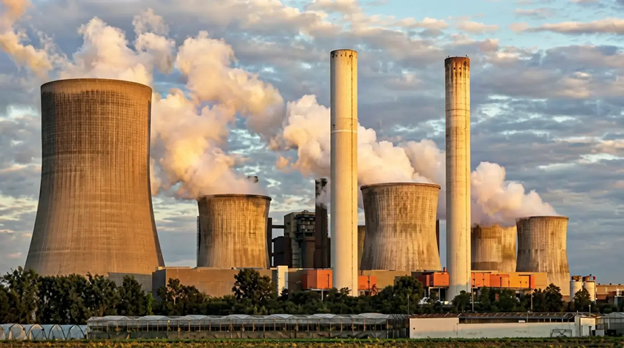
The Atomic Energy Bill, 2025: The Start of Privatization in India’s Nuclear Energy Sector
Reference: EQ Mint: https://eqmint.com/news-flash-cabinet-approves-atomic-energy-bill-2025/
By Sneha Chakraborty
Executive Summary
The Atomic Energy Bill or the Sustainable Harnessing and Advancement of Nuclear Energy for Transforming India (SHANTI) Bill introduced in the Winter session of the Parliament in 2025 has transformed the laws regarding nuclear energy, which have been in parlance in the country since independence. The Bill shall modernize and decentralize the country’s outdated nuclear legal framework to enable faster expansion of nuclear power capacity, enhance energy security, and align with India’s long-term climate commitments. A central objective of the Bill is to open India’s civil nuclear sector to private and foreign participation, which marks a significant departure from the historically state-dominated model. Alongside liberalisation, the Bill proposes reforms in nuclear liability, safety regulation, and institutional oversight. While the Bill promises increased investment, innovation, and technological collaboration, it also raises critical concerns regarding safety, accountability, and public interest safeguards.
Background
India’s nuclear energy sector has traditionally operated under strict state control, primarily governed by the Atomic Energy Act, 1962 and supplemented by the Civil Liability for Nuclear Damage Act, 2010. These laws vested exclusive authority over nuclear power generation and related activities in the Department of Atomic Energy and public sector undertakings. This framework was shaped by national security concerns, technological sensitivity, and the high-risk nature of nuclear operations. However, over time, it has also resulted in limited capacity expansion, capital constraints, and restricted access to advanced global technologies.
In recent years, India has set ambitious goals to increase its nuclear power capacity to around 100 GW by 2047 as part of its broader strategy to ensure reliable baseload power and achieve net-zero emissions by 2070. Meeting these targets requires substantial financial investment, technological innovation, and human resource development—needs that cannot be met by the public sector alone. The Atomic Energy Bill, 2025 is thus positioned as a response to these challenges, aiming to create a more enabling ecosystem for private participation, foreign collaboration, and regulatory efficiency while maintaining strategic oversight.
Key Issues
A major issue addressed by the Bill is the opening of the civil nuclear sector to private and foreign investment. The legislation dismantles the long-standing monopoly of the state by permitting private entities to participate in various segments of the nuclear value chain, including mining, fuel fabrication, equipment manufacturing, and potentially even reactor construction and operation under licensing conditions. While this reform can unlock capital, foster competition, and accelerate deployment of newer technologies such as Small Modular Reactors (SMR), it also raises concerns about ensuring stringent safety standards, accountability, and effective regulatory oversight in a sector with potentially catastrophic risks. While opening up the nuclear energy sector to private companies
Another critical issue relates to the reform of the nuclear liability regime. The Bill proposes amendments to the Civil Liability for Nuclear Damage Act, 2010, particularly by clarifying and capping supplier liability and strengthening insurance mechanisms. These changes aim to align India’s liability framework with international conventions and make the sector more attractive to global suppliers. However, critics argue that limiting supplier liability may weaken deterrence and reduce compensation avenues for victims in the event of a nuclear accident, effectively transferring risk from private corporations to the state and the public.
Governance and regulatory independence also remain key concerns. The Bill proposes the establishment of an independent nuclear tribunal with statutory backing to oversee safety standards, licensing, and compliance. While this is a positive step in principle, its effectiveness will depend on the degree of institutional autonomy, transparency, and technical capacity it is granted. Without genuine independence from political and commercial influence, there is a risk of regulatory capture that could undermine nuclear safety. This nuclear energy tribunal shall be a separate legal body, but efforts should be made to ensure that the tribunal is represented by individuals without vested interest.
Key Recommendations
While the Atomic Energy Bill is a major step in decentralizing nuclear energy in the country, there are certain recommendations, which can be looked into:
- To address safety and governance concerns, it is essential that the proposed nuclear regulatory authority be granted full legal independence, adequate technical expertise, and strong enforcement powers. Transparent safety audits, public disclosure of compliance reports, and mechanisms for citizen oversight should be institutionalised to build public trust in nuclear expansion.
- The liability framework should be designed to balance investor confidence with robust victim protection. A tiered liability structure based on reactor size and technology, combined with mandatory insurance pools and government backstopping, could help ensure fair risk-sharing without undermining accountability. Victim compensation mechanisms must remain accessible, timely, and adequate.
- Private sector participation should be introduced in a phased and carefully regulated manner. Initial involvement could focus on non-core areas such as manufacturing, fuel cycle services, and maintenance, with gradual expansion into reactor operations only after proven compliance and safety performance. Public–private partnership models may offer a balanced approach to risk-sharing and governance.
- Finally, environmental and social safeguards must be strengthened. Comprehensive environmental impact assessments, community consultations, long-term waste management strategies, and emergency preparedness systems should be mandatory for all nuclear projects. These measures are essential to ensure that nuclear energy expansion remains socially acceptable and environmentally sustainable. Nuclear energy sustains on minerals and ores – hence, there should be strong mechanisms to ensure that the rights of miners and their family members are protected, along with environmental protections.
The Atomic Energy Bill, 2025 represents a decisive shift in India’s nuclear energy policy, with the potential to significantly enhance clean energy capacity, technological advancement, and economic growth. By opening the sector to private and foreign participation and reforming liability and regulatory frameworks, the Bill seeks to address long-standing structural limitations. However, its success will depend on careful implementation, strong institutional safeguards, and an unwavering commitment to public safety and environmental protection.
References
https://www.pib.gov.in/PressReleasePage.aspx?PRID=2204236®=3&lang=1
https://www.clearias.com/shanti-bill-2025-atomic-energy-bill
https://world-nuclear-news.org/articles/indias-atomic-energy-bill-tabled-in-parliament
Bio:
Sneha Chakraborty is a student, who is currently pursuing her Masters in Social Work from Tata Institute of Social Sciences. Her research interests lie in gender, climate change and livelihood.