Centre for Biodiversity and Conservation
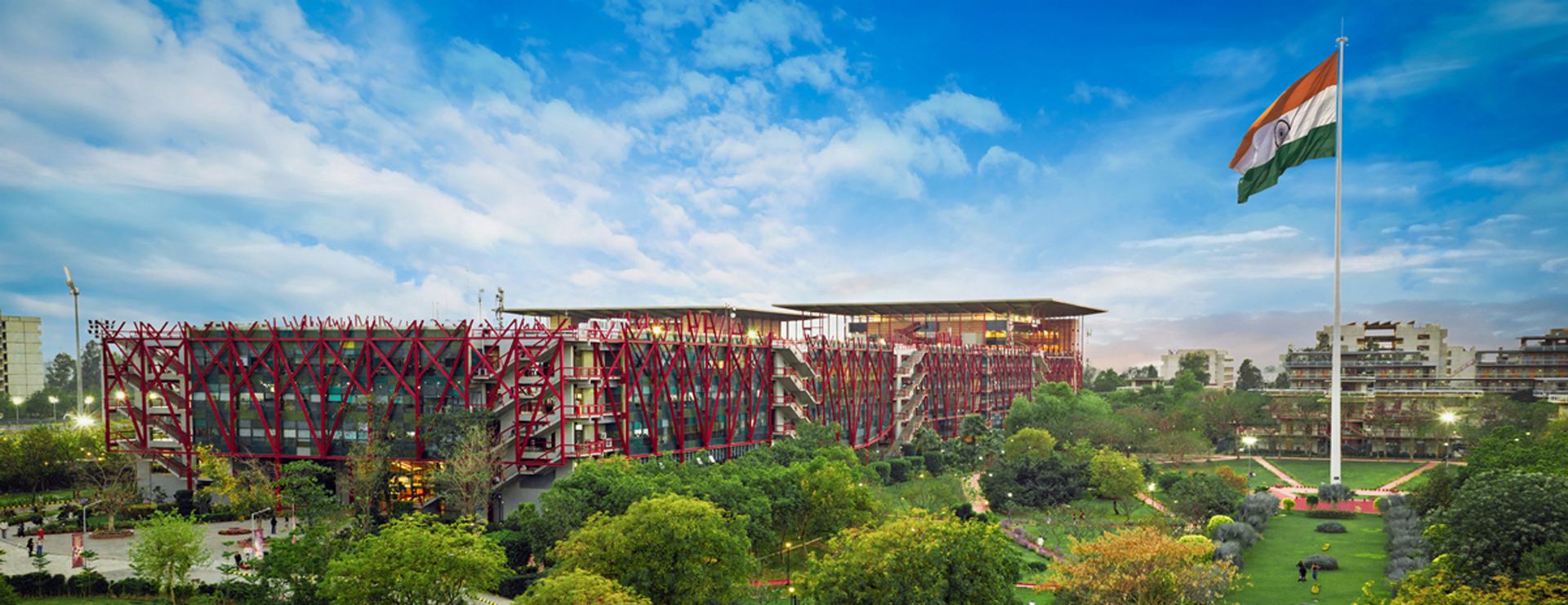
The Centre for Biodiversity and Conservation (CBC) is a research centre at the Jindal School of Environment and Sustainability (JSES), O.P. Jindal Global University.

About Centre for Biodiversity and Conservation
The Centre for Biodiversity and Conservation (CBC) is a research centre at the Jindal School of Environment and Sustainability (JSES), O.P. Jindal Global University.
India is home to an incredible variety of plants and animals, making it one of the world's most biodiverse countries. However, this rich natural heritage is under serious threat from climate change, pollution, and loss of natural habitats. The CBC was created to help protect India's amazing biodiversity for the future.
CBC serves as a hub for research, learning, policy advice, and community projects. CBC works with scientists, local communities, and government bodies to promote effective ways to conserve nature.
Read More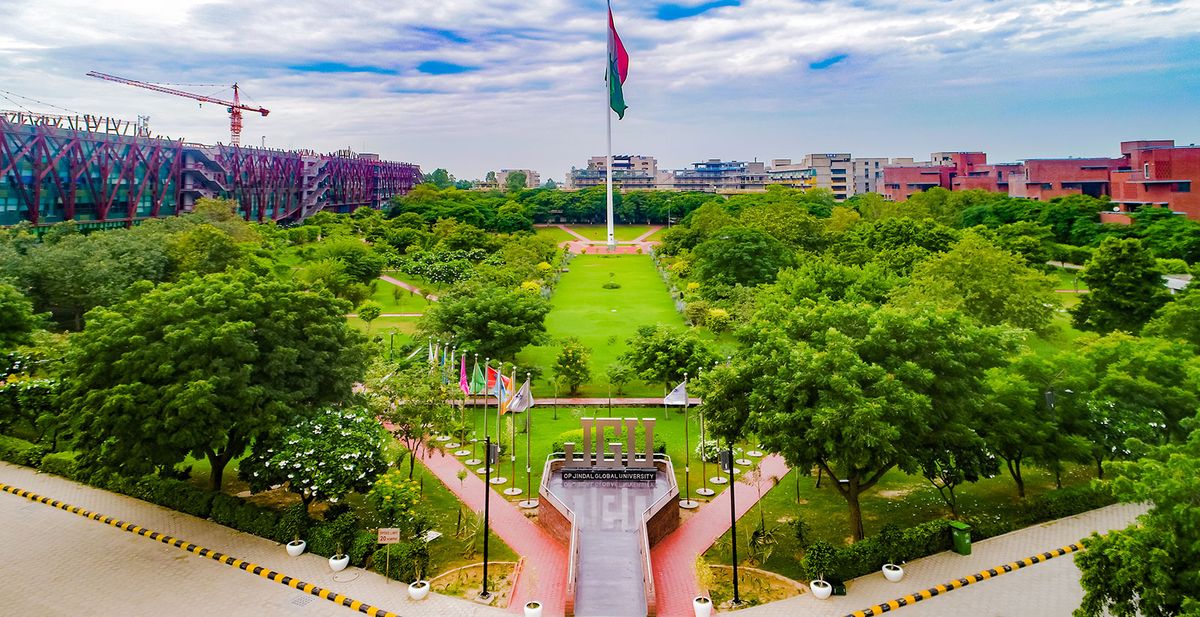
What We Do
Our main areas of focus include:
Research
We conduct field studies to collect data on various species, their threats, and how to better manage natural resources.
Invasive Species
We study the impacts of non-native plants and animals and develop strategies to manage them.
Climate Change
We examine how climate change affects the behaviour and habitats of various species.
Protected Areas
We assess how effectively national parks and wildlife sanctuaries protect species.
Policy Support
We provide scientific evidence to help develop better laws and policies for conservation.
Community Engagement
We encourage and support local communities in participating in conservation efforts.
Awareness
We organize seminars, workshops, and training programmes to educate people about biodiversity issues.
Internships
We offer opportunities for students to gain hands-on experience in biodiversity research.
Research Interests
The questions connected to these themes are intended as starting points for critical reflection and are not exhaustive.
Biodiversity Assessment and Monitoring
What are the patterns of species distribution and abundance in different ecosystems? How can we effectively document and monitor biodiversity, from local campuses to global biodiversity hotspots? What are the baseline data needed to understand ecological change?
Climate Change and Ecology
How is climate change impacting the behaviour, distribution, and habitat of species? What are the differential impacts on various ecosystems and taxonomic groups? How can we model these impacts to inform proactive conservation strategies?
Invasive Species Management
What are the ecological and economic impacts of invasive alien species on native biodiversity? How can we develop and implement effective strategies for managing and controlling invasive species?
Conservation Effectiveness
How effective are current protected area networks in conserving species and habitats? What are the key factors that determine the success or failure of conservation interventions?
Community and Traditional Knowledge
What role do local communities and traditional ecological knowledge play in biodiversity conservation? How can conservation initiatives be designed to be socially inclusive and support sustainable livelihoods?
Explore the full research programme
See our research verticals, including the Campus Carbon Mapping Project.
View ResearchResearch Verticals
Our research activities are organized into the following verticals, reflecting the Centre’s core competencies and ongoing projects:
Campus and Urban Biodiversity
This vertical focuses on understanding and documenting biodiversity within human-modified landscapes. A key project under this theme is the Campus Carbon Mapping Project, which created a comprehensive digital database of 1,742 trees on the JGU campus. This project quantified carbon storage and sequestration, demonstrating the climate mitigation role of urban green spaces and contributing to SDG 11 (Sustainable Cities), SDG 13 (Climate Action), and SDG 15 (Life on Land).
Himalayan Biodiversity
This vertical is dedicated to exploring the rich biodiversity of the Himalayan region, a global biodiversity hotspot. Research includes field-based documentation of avian diversity, as seen in the Photographic Guide to Birds of the Himalaya – Series 1, and ecological studies on tree diversity patterns. For instance, research published in the journal Trees, Forests and People has highlighted the high levels of tree diversity in temperate Himalayan forests and the importance of protected areas for conserving endemic species.
Climate Change and Conservation Science
This vertical focuses on understanding the impacts of climate change on biodiversity and evaluating the effectiveness of conservation strategies. Research includes species distribution modelling to predict future habitat changes and studies examining the resilience of ecosystems to climate pressures.
Community Engagement and Experiential Learning
This vertical emphasizes the role of outreach, education, and community participation in conservation. Projects like the Campus Carbon Mapping Internship and expert-led workshops on biodiversity topics (e.g., the “Discovering Dragonflies” workshop) serve as platforms for hands-on learning, building student capacity, and fostering public awareness. This research vertical connects scientific knowledge with practical conservation action and community stewardship.
Meet the Team
An interdisciplinary team bringing together ecology, evolutionary biology, and environmental science.

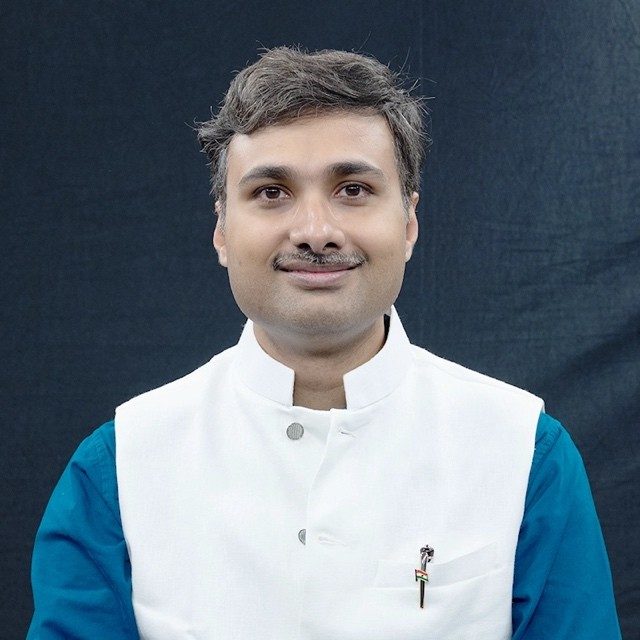
Dr. Kumar Manish
Associate Professor & Associate Dean, JSES
Prof. (Dr.) Abhiroop Chowdhury
Dean, JSES
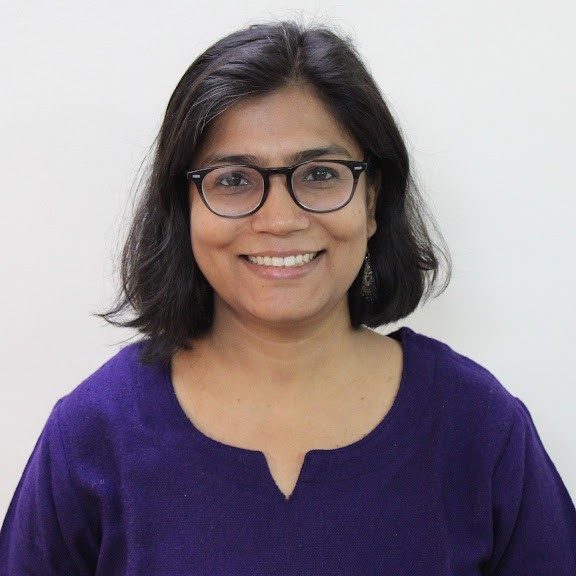
Dr. Neelu Anand Jha
Associate Professor & Associate Dean, JSES
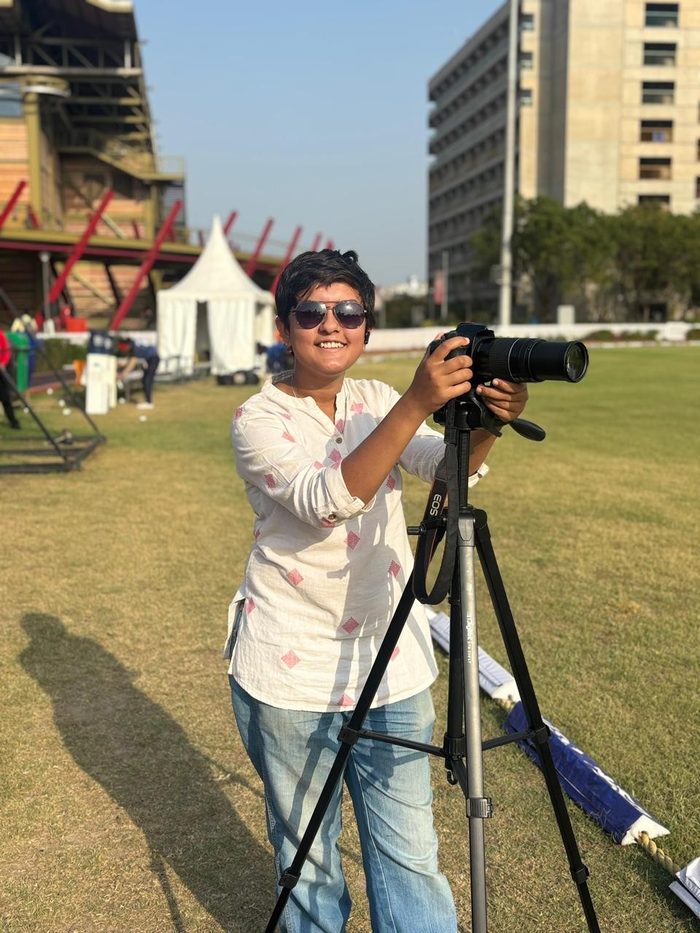
Bhoomika Thekkatte
B.Sc. (Hons.) Environment & Sustainable Development
Latest Events & Field Trips
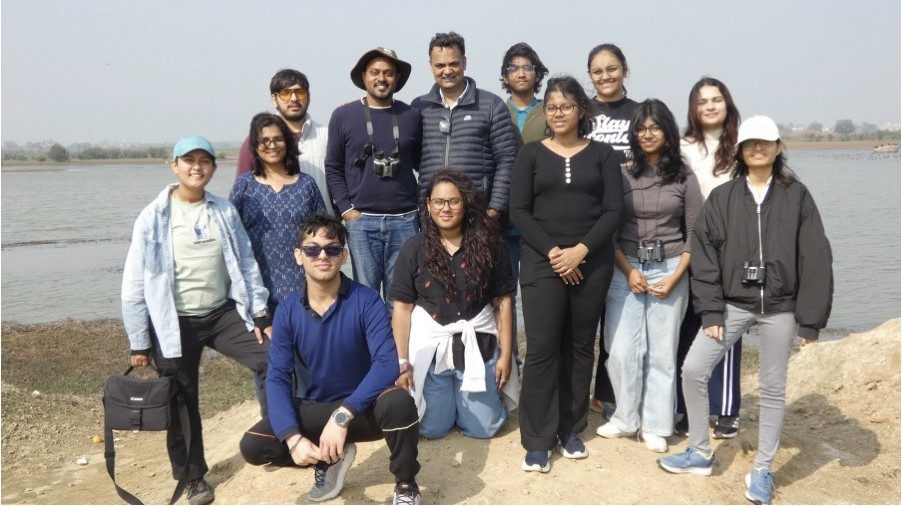
Celebrating Wetlands: Avian Behavioural Ecology in Wetland Landscapes
A field-based workshop led by Mr. Arbin Kr Thakur with CBC faculty, providing hands-on training in bird observation and behavioural ecology.
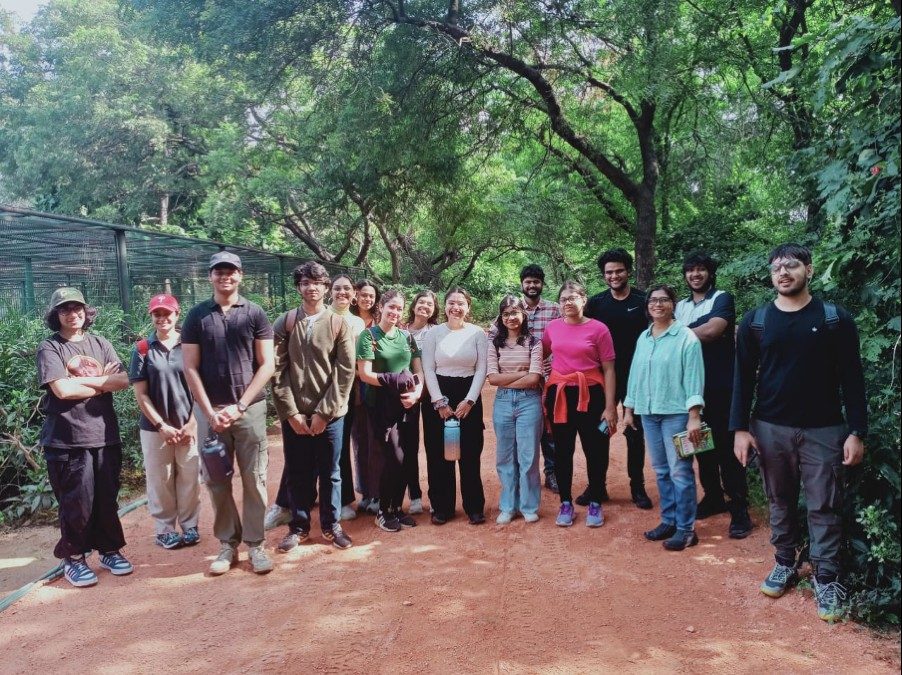
Field Trip to Sanjay Van
Guided by Dr. Neelu Anand Jha and Dr. Kumar Manish, exposing participants to urban forest biodiversity and ecological dynamics.
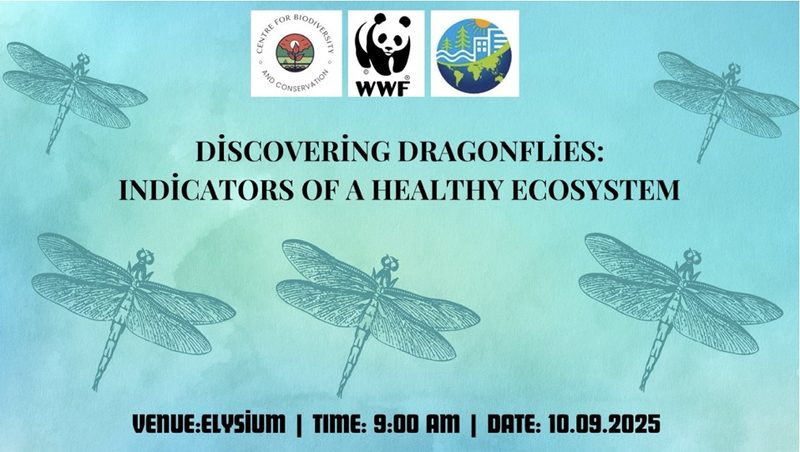
Discovering Dragonflies: Indicators of a Healthy Ecosystem
An interactive workshop led by Mr. Nikhil John on dragonflies as bioindicators of healthy ecosystems.
Join our research, internship & outreach community
Students, researchers and practitioners are welcome to engage with CBC through internships, seminars and collaborative field projects.