

The constellation is an interdisciplinary research group who draw on urban studies, social psychology, science and technology studies (STS), and sociology to understand the complex interplay between technology, inequalities, and social justice within the ever-evolving landscape of urban spaces. Urbanization, while providing opportunities, has also seen rising concerns related to health, housing, education, and water, exacerbated by existing social relations of gender, caste, class, religion, and ability. The constellation aims to understand urban development through a critical lens, focusing on the processes of urbanization and globalization that shape the experiences of urban residents? Furthermore, it aims to explore questions such as understanding the challenges and possibilities of technology in enabling people’s access to health, and studying the role of public spaces in exacerbating or challenging social inequalities.
The overarching questions that guide our research are:
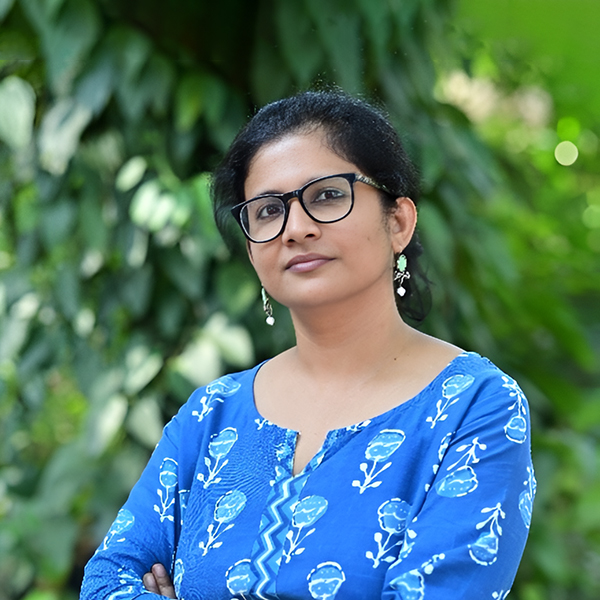



Associate Professor and Associate Dean (Planning and Strategy), JGLS



This study examines how slums in Srinagar are simultaneously recognised and obscured within policy frameworks and urban governance. Using household-level deprivation indicators and the Slum Severity Index across 78 slums, the study aims to reveal widespread multidimensional poverty across the city, highlighting the politics of classification, visibility, and tenability in conflict-ridden urban geographies.
By Dr. Namesh and Saqib
This project examines how housing insecurity shapes the lives of Muslim migrant domestic workers in Gurugram. Through interviews and focus groups, it explores intersections of gender, class, migration, and religion. Emerging findings reveal housing as safety, rest, religious freedom, and community, while exposing systemic neglect and calling for inclusive urban policies.
By Dr. Namesh and Dr. Preethi Krishnan
This project studies how libraries are increasingly becoming digital hubs, not only through digitised catalogues and e-books, but also as access points for government-backed digital learning platforms, knowledge repositories, or simply as places offering free WiFi. Rather than imagining a complete transformation, it traces the subtle ways in which digital access is reshaping the everyday meaning of libraries: from reading rooms to nodes of online connectivity, from book borrowing to digital browsing, and from study spaces to leisure and browsing rooms. At the same time, library infrastructure in the country remains unevenly distributed across regions. The study maps how these shifts unfold in practice across metropolitan centres and smaller towns, and how communities engage with the changing nature of libraries, if such forms of access exist at all. By examining access to these transforming spaces alongside relevant policies, the project reflects on both the possibilities and the tensions of reimagining libraries as spaces of digital access in contemporary India, foregrounding the larger question of equity.
By Dr Gayatri Balu and Dr Vidya Subramanian